
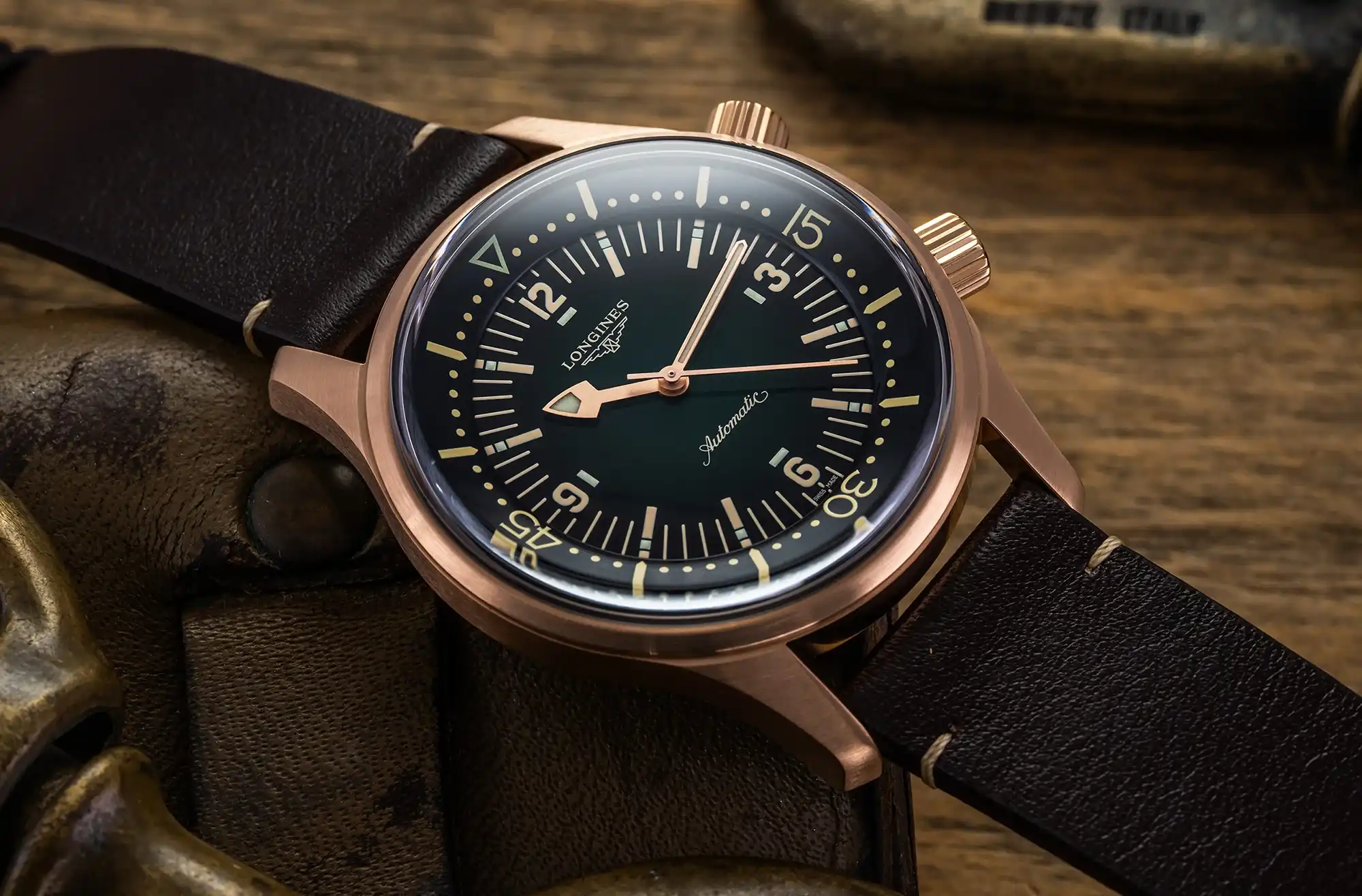
There was a time when Longines wasn’t just another Swiss brand making respectable watches. There was a time when they were the name in precision timing, the brand that set the benchmark for what a chronograph could be. Before the words Daytona or El Primero meant anything, Longines was already there, stopwatches in hand, timing world records and shaping the very idea of mechanical measurement.
It’s easy to forget now, because today Longines sits comfortably in the middle of the market, elegant, reliable, and a little bit quiet. But rewind a century, and you’ll find their watches on the wrists of explorers, pilots, and military officers who trusted them with their lives. When the world needed to be timed, it turned to Longines.
This is the story of how a brand from Saint-Imier built its empire on precision, ruled the chronograph world for decades, and then quietly let that crown slip away.
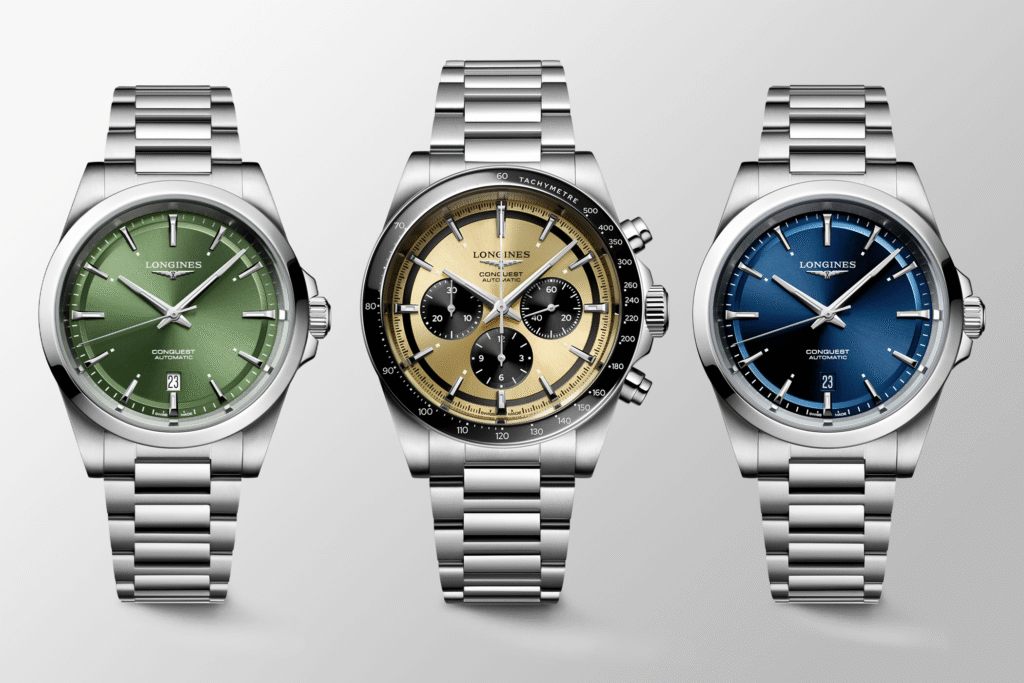
The golden age of mechanical timing
Long before the modern obsession with luxury and logos, watchmaking was about one thing: accuracy.
Longines built its reputation in the late 19th and early 20th centuries by becoming a timing specialist.
The company was founded in 1832, and by the early 1900s, it was already producing dedicated timing instruments for sports, aviation, and exploration.
But the real revolution came with their movements.
The Longines calibre 13.33Z, introduced in 1913, was one of the first wrist-worn chronographs ever made. It was small, reliable, and beautifully finished.
This was not a tool cobbled together from pocket watch parts. This was a purpose-built masterpiece, designed from the ground up for the wrist.
Then came the calibre 13ZN in the 1930s, and that changed everything. Collectors today still whisper that reference like it’s a spell. It was one of the first chronograph movements to feature a flyback function, allowing the wearer to reset and restart the timing function with a single press; perfect for pilots or anyone who needed to measure consecutive intervals quickly.
That might not sound like much now, but back then it was mechanical wizardry.
The 13ZN became the gold standard. Even brands like Patek Philippe and Vacheron Constantin quietly used Longines timing mechanisms in their own work.
When you think of the chronograph in its purest form, the 13ZN is where it truly began.
The watches housing those movements were just as elegant as their internals.
Slim cases, perfect symmetry, and that unmistakable Longines aesthetic; refined but purposeful.
They weren’t shouting for attention.
They were built to perform, and they did so beautifully.
Longines chronographs timed Olympic Games.
They served in both World Wars. They became the official timekeeper for aviation records, including Charles Lindbergh’s transatlantic flight. For decades, when precision was needed, there was only one answer.
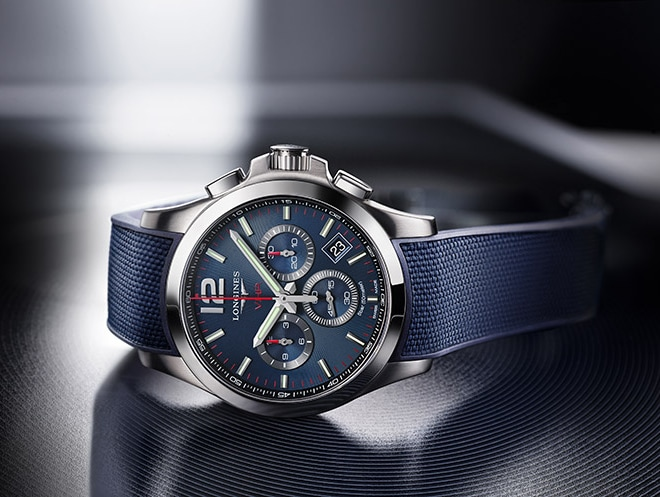
When the crown slipped
So what happened? How did the brand that invented the flyback chronograph and dominated timing end up ceding the spotlight to others?
The answer, as always, lies in timing; ironic, really.
The quartz crisis of the 1970s was a tidal wave that swept through Swiss watchmaking, and Longines was one of the first to dive into it. They embraced quartz early, thinking it was the future.
And they weren’t wrong.
But in doing so, they shifted focus from mechanical excellence to affordability and accessibility.
Meanwhile, brands like Rolex and Omega leaned harder into identity and prestige. Zenith and Breitling clung to mechanical chronographs, even when the market seemed dead. And when the mechanical revival hit in the 1990s, Longines found itself positioned not as a chronograph pioneer, but as a classic, mid-tier brand.
That’s not to say they lost their touch.
Modern Longines chronographs are still well made, still elegant, and still carry that Saint-Imier DNA. But they don’t hold the same place in collectors’ hearts that the vintage ones do. The 13ZN and its successor, the 30CH, remain grail-level movements precisely because they represent a lost era; a time when Longines wasn’t following anyone.
They were leading.
Ask any serious vintage collector today about Longines, and watch their face light up.
They’ll talk about the creamy patina of 1940s dials, the sharp lugs, the way the hands catch light just so. They’ll tell you that the finishing on those old calibres rivals watches that cost ten times more today. It’s not nostalgia. It’s respect.
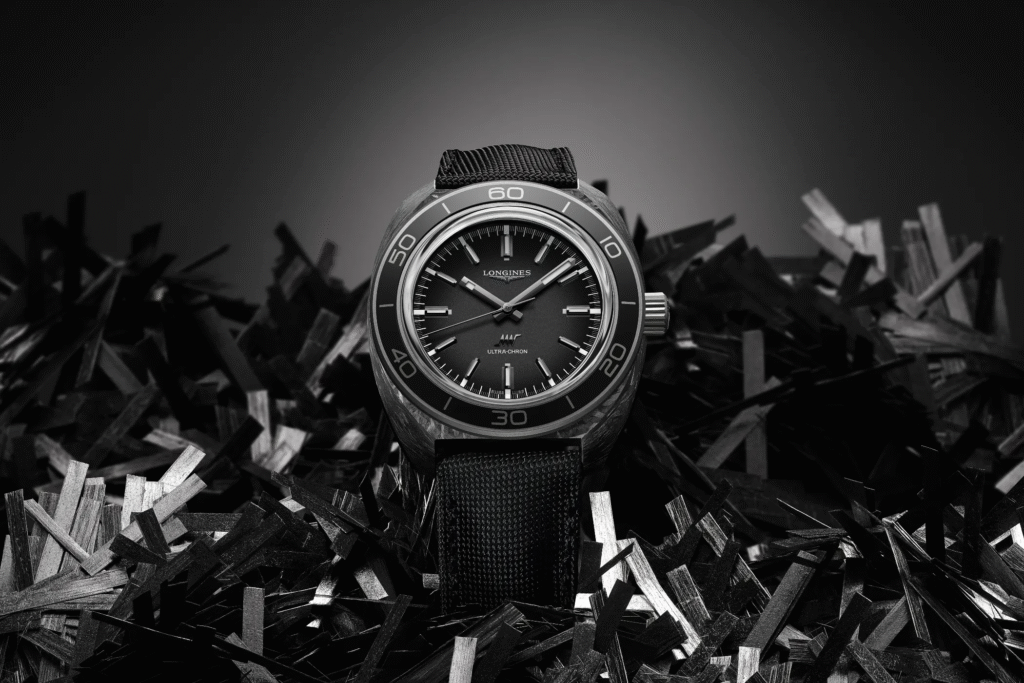
Final thoughts
Every great brand has its peak, that moment when it defines the era.
For Longines, it was the age of the chronograph.
They were the quiet geniuses, the unsung heroes who made precision beautiful.
The modern world may not remember, but collectors do.
And when you hold one of those vintage Longines pieces; the ones with their silver dials, their blued hands, their impossibly smooth pushers; you feel it. You feel the weight of history, of innovation, of a time when watchmaking was about mastery, not marketing.
At Lugano Watches Dubai, we still see the spark that once made Longines king of the chronograph.
And maybe that’s the best way to think about them now: not as a fallen empire, but as a legend resting quietly beneath the surface, waiting for those who know where to look.
Because history has a funny way of coming full circle. And if there’s one thing Longines proved better than anyone, it’s that time; in all its forms; is always worth measuring.