
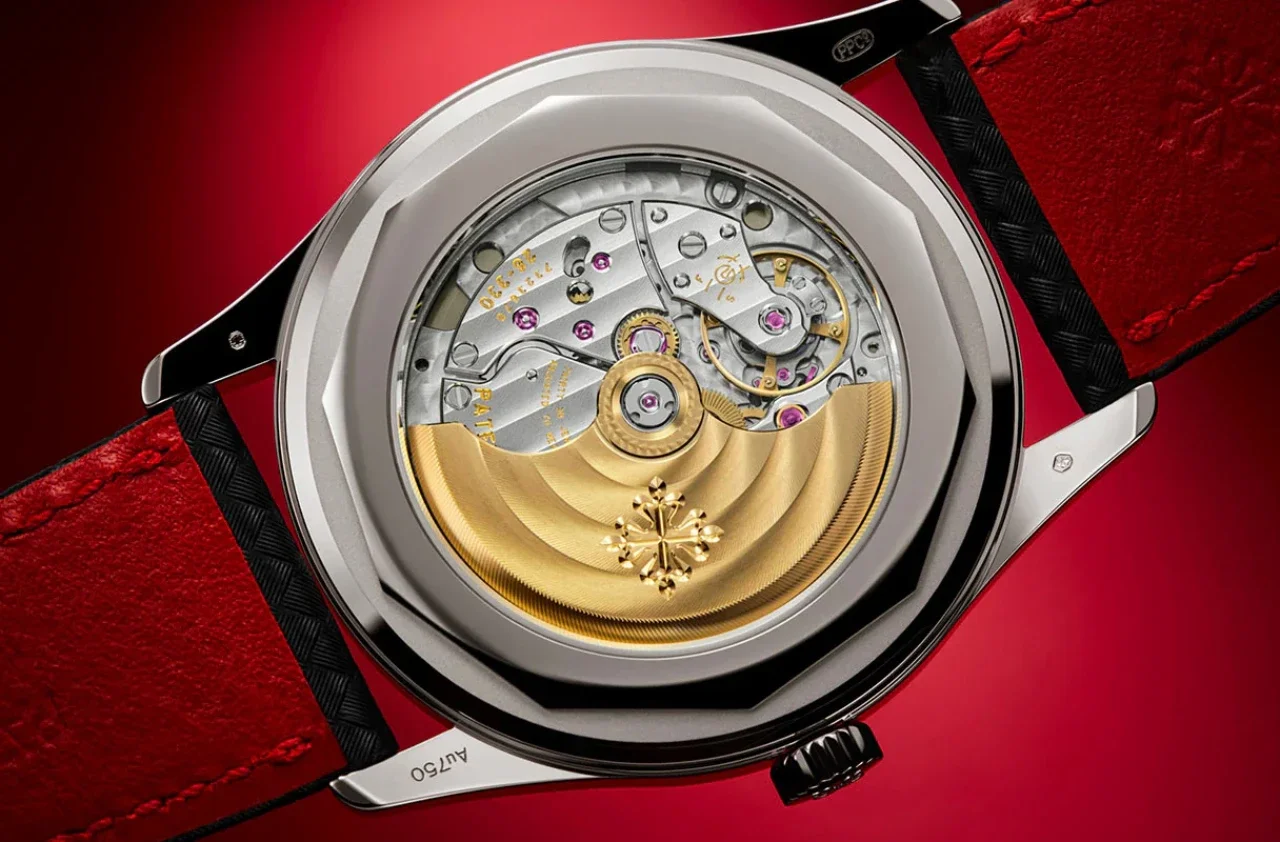
If you’ve ever turned a fine automatic watch over and stared through its sapphire caseback, chances are your eyes went straight to the rotor. It’s the moving piece, the heartbeat that winds the mainspring as you wear the watch.
For many, it’s just a functional component, a means to an end.
But for collectors and watchmakers, the rotor is far more than that.
It’s a canvas for artistry, a fingerprint of brand identity, and sometimes even a feat of micro-engineering so sophisticated it can rival the movement it serves.
Over the last few decades, signature rotor designs have become one of the clearest ways for brands to distinguish themselves in a crowded market. Just as a car’s hood ornament or a guitar’s headstock shape can reveal its maker at a glance, a well-crafted rotor speaks volumes about the brand’s philosophy and level of craftsmanship.
Form meets function in the heart of the movement
At its core, the rotor’s purpose is purely functional.
It converts kinetic energy from wrist motion into winding energy for the mainspring, ensuring that the watch remains powered without manual winding. Early rotors were utilitarian, plain discs of metal hidden behind solid casebacks.
They did their job but offered nothing to delight the eye.
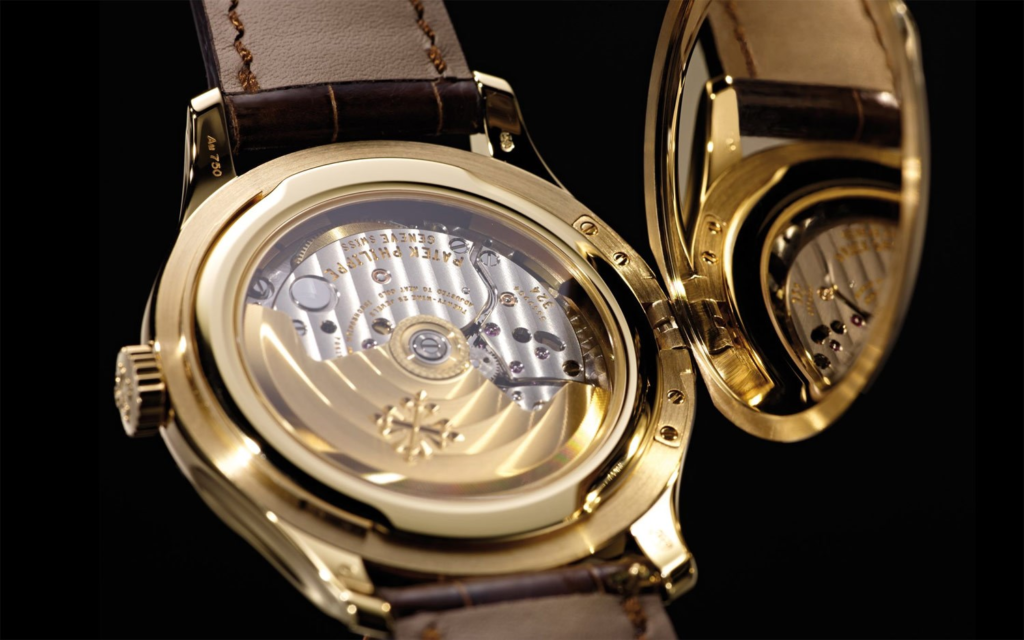
As watchmaking shifted from necessity to luxury, brands realized that collectors were craving more than precision. They wanted a connection to the artistry inside the case. This was when rotors evolved from hidden mechanisms to showpieces. Skeletonization was one of the first steps, as brands like Audemars Piguet and Patek Philippe began carving away excess metal to create airy, architectural forms.
These open designs not only reduced weight for efficiency but also allowed the wearer to witness the complex layers of the movement beneath.
Brands quickly discovered that a signature rotor could become as iconic as a dial design.
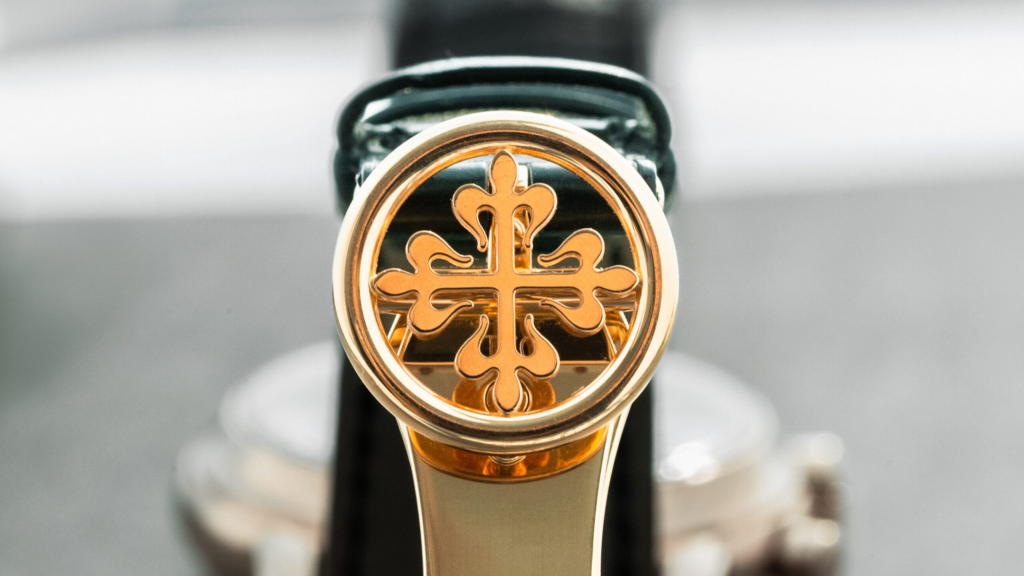
Think of Patek Philippe’s Calatrava cross rotors or Vacheron Constantin’s Maltese cross motifs. These instantly signal heritage and identity, turning the back of the watch into a gallery for the initiated. For independents, this personalization is even more radical. MB&F, for example, often creates three-dimensional rotors shaped like battle-axes or spacecraft, reflecting their avant-garde approach to watchmaking.
But there’s a deeper level here. The weight distribution of a rotor is critical for efficiency. Signature shapes must balance aesthetics with physics, ensuring optimal winding while maintaining structural integrity. This is where watchmakers show their genius, engineering components that are as functional as they are beautiful.
A collector’s lens: why rotors matter
To a casual buyer, the rotor might seem like a minor detail.
But to collectors, it represents a hidden handshake between maker and owner. When a watchmaker invests time and creativity into the rotor, it signals that they care about every part of the experience, even the part most people will never see.
This is why sapphire casebacks have become so prevalent in high horology.
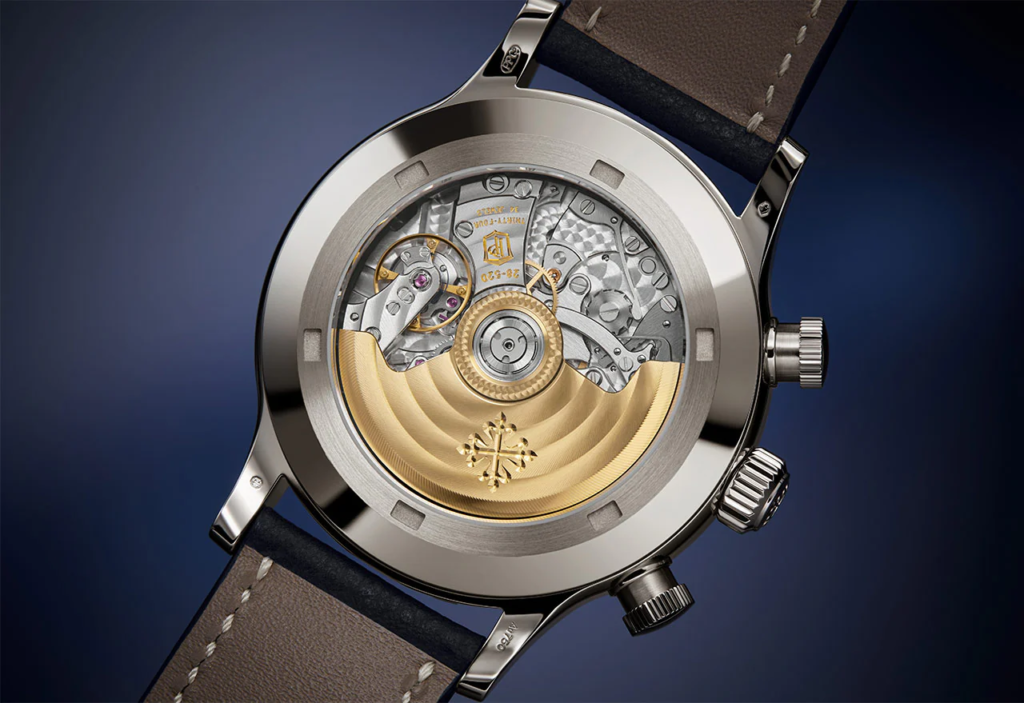
They invite the wearer into the secret world of movement finishing.
Seeing a delicately engraved rotor sweep silently over bridges decorated with Côtes de Genève creates an intimacy that’s hard to describe.
It’s like peering behind the curtain at a master’s workshop.
Signature rotors also impact value. A distinctive, well-executed rotor can elevate a reference’s desirability on the secondary market. Consider how collectors chase early Royal Oaks with their solid gold skeletonized rotors or rare limited editions from Richard Mille with custom rotor geometries.
These elements create scarcity and narrative, two of the most potent forces in collecting.
From a practical perspective, rotors also reflect technological ambition.
Brands experimenting with exotic materials like tungsten, platinum, or titanium are signaling innovation. Some use variable inertia systems, where adjustable weights on the rotor can fine-tune winding efficiency. Others integrate micro-rotors, smaller components that sit flush with the movement to create ultra-thin profiles.
These solutions speak directly to the collector who values not just beauty, but problem-solving brilliance.
Final thoughts
The next time you handle a fine automatic watch, take a moment to turn it over and study the rotor.
It’s more than a moving part. It’s a brand’s signature, a microcosm of their design language, and often a hidden masterpiece in its own right.
In the quiet motion of a skeletonized blade or the flash of a hand-engraved emblem, you’ll find a story being told; one about innovation, heritage, and the relentless pursuit of excellence. Signature rotor designs remind us that true luxury lies not just in what we see at first glance, but in the layers of detail revealed only to those who take the time to look deeper.
At Lugano Watches Dubai, we celebrate these nuances because they are what separate a mere watch from a piece of living horological art.
Whether you’re a seasoned collector or just beginning your journey, understanding the language of the rotor opens a whole new dimension of appreciation; one that’s spinning quietly beneath the surface, waiting to be discovered.