
New to watch collecting? Learn the 10 most important terms that every enthusiast needs to understand ; from movements to complications to reference numbers. A high-level introduction grounded in real horological knowledge.
Watches have their own language. And like any language, it can be intimidating when you're just starting out. There’s a sea of acronyms, materials, functions, and technical terms that seem designed to confuse newcomers. But the truth is, once you know the foundational concepts, the rest of the hobby becomes a lot more enjoyable; and a lot less overwhelming.
This isn’t just a list of definitions. This is a guide to the 10 terms you actually need to understand to be fluent in horology, whether you're buying your first serious piece or finally trying to figure out what people mean when they say a movement is in-house or that a dial has patina.
Let’s break it down.

Movement
This is the heart of every watch. The movement is the mechanism that drives the hands, powers the complications, and ultimately defines what kind of timepiece you’re wearing. There are three major types:
Quartz: battery-powered, low maintenance, and highly accurate.
Mechanical (manual-wind): powered by a wound spring; no battery.
Automatic: a mechanical movement that winds itself using the motion of your wrist.
In high-end collecting, most of the focus is on mechanical or automatic. That’s where the craftsmanship lives. That’s what you’ll find in nearly everything at Lugano Watches Dubai, from Patek Philippe to Audemars Piguet to Richard Mille.
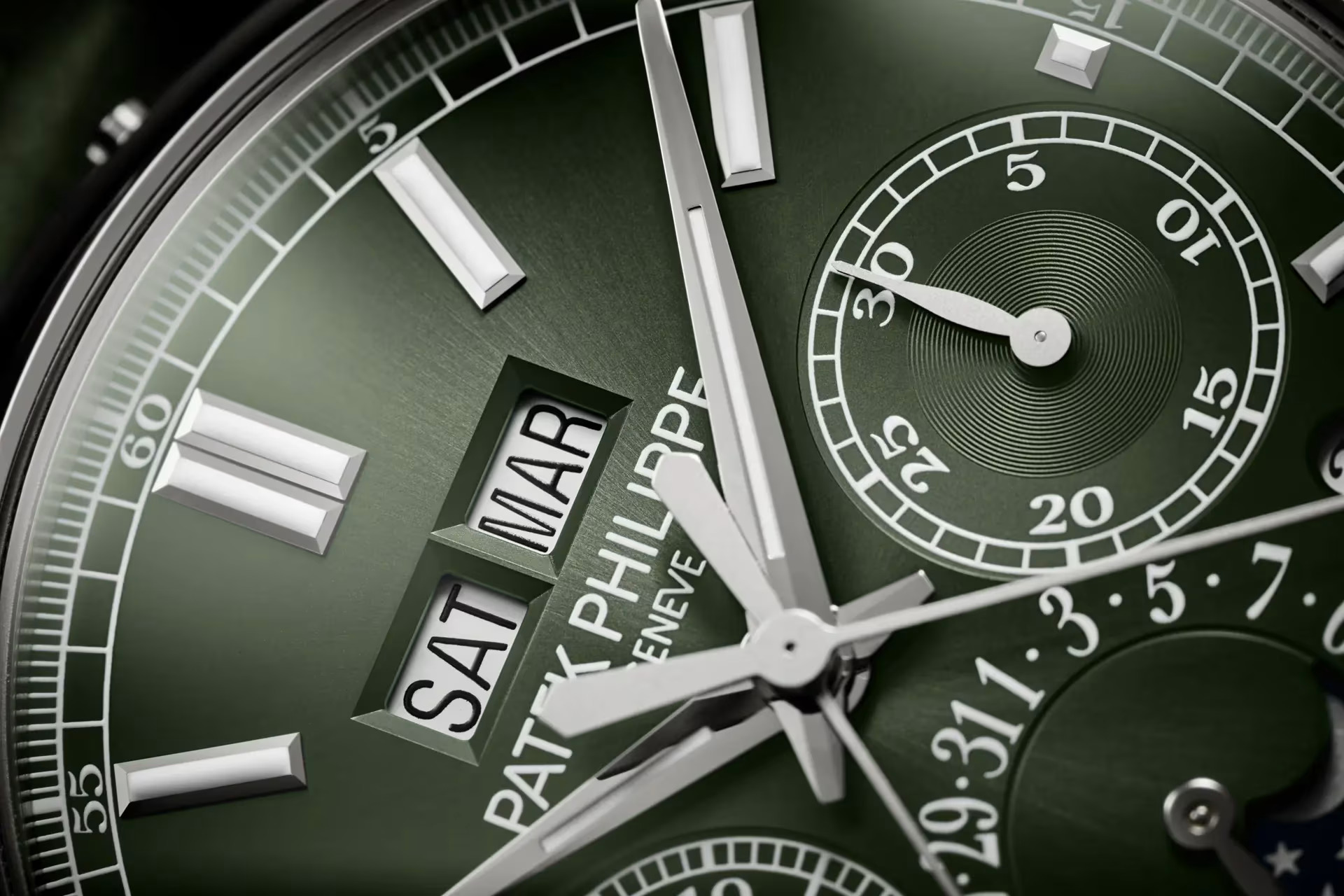
Complication
A complication is anything the watch does beyond just telling the time. That could be a date window, a chronograph (stopwatch), a moonphase, a perpetual calendar, or even a tourbillon. Some complications are useful. Others are marvels of engineering with no real-world function but still cost more than a Ferrari.
What matters here is understanding that the more complications a watch has, the more complex the movement; and the more expensive and collectible the piece becomes. But that doesn’t mean more is always better. The best investment watches often have just one or two well-executed complications tied to the brand’s identity.
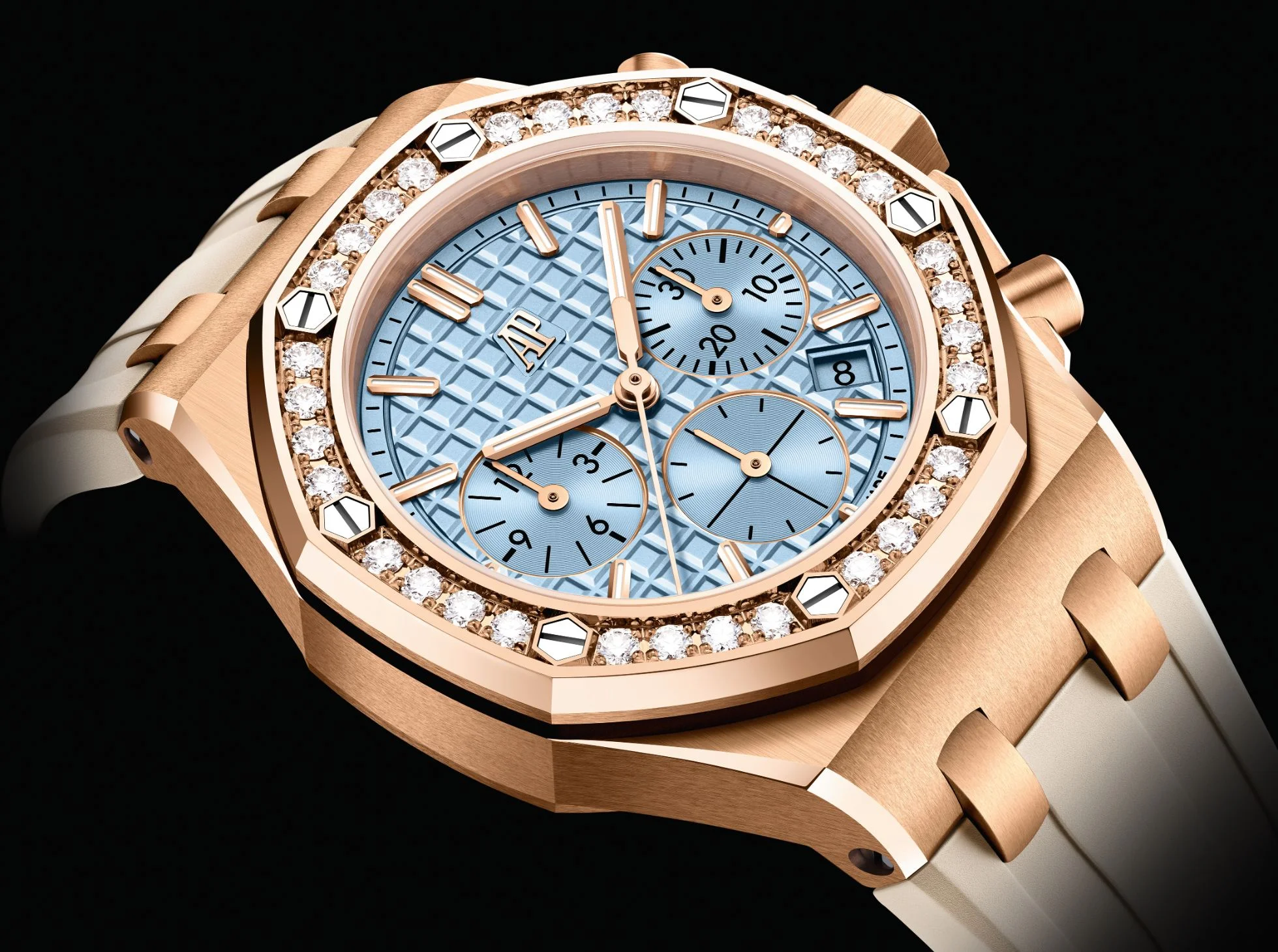
Case
This is the outer shell of the watch. The case material, finish, and shape do more than affect how a watch looks; they determine how it wears, feels, and even how it ages. A brushed titanium case wears light and sporty. A polished platinum case wears heavy and formal. And a steel case with sharp lines and beveled edges (like a Royal Oak) feels like sculpture on your wrist.
Collectors obsess over case shape and proportions. A 40mm Rolex wears completely differently from a 40mm Panerai because the case thickness, lug-to-lug length, and profile all matter. If you’re serious about watches, you start seeing cases the way car collectors see bodywork.
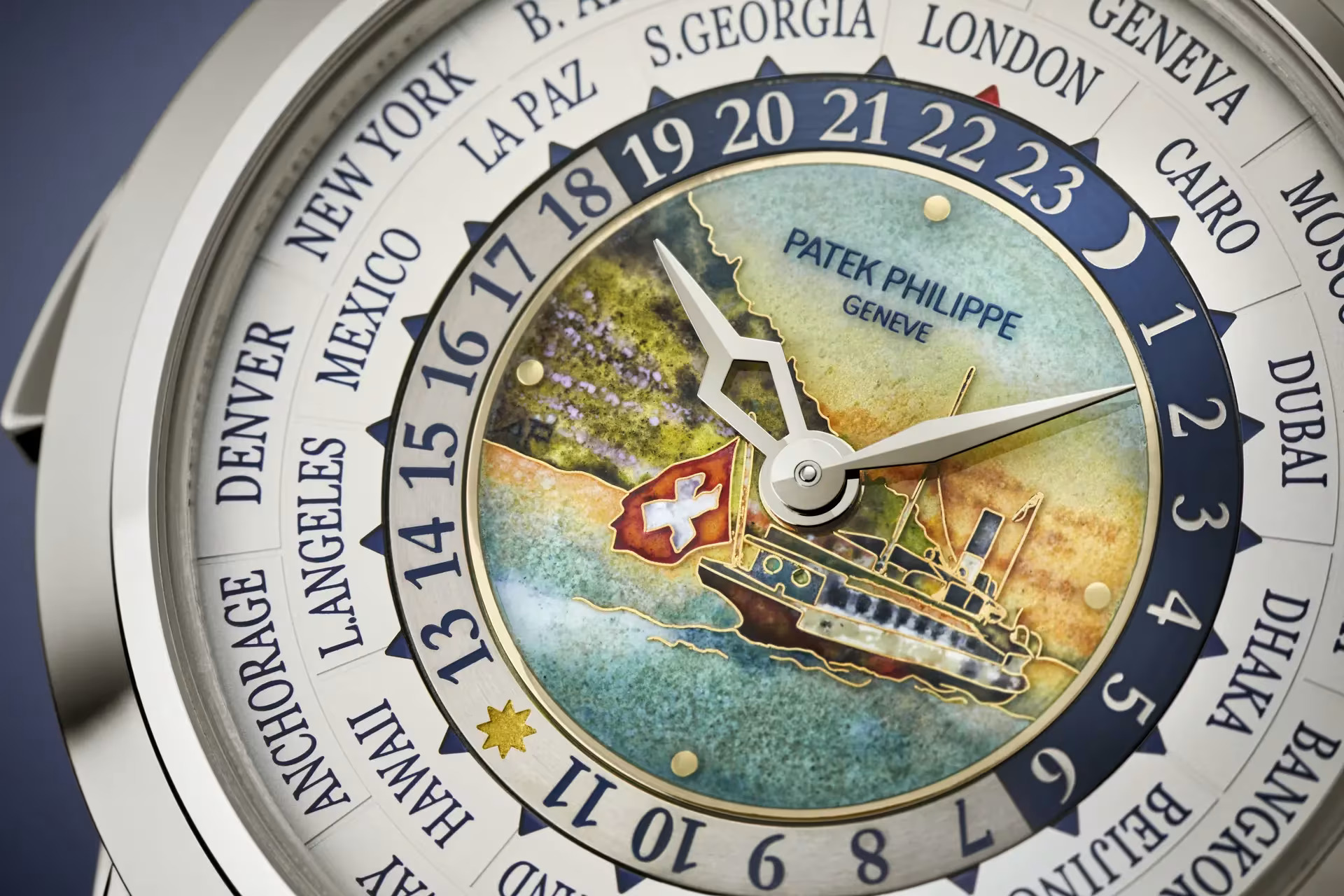
Dial
This is the face of the watch. It’s what you look at every time you check the time; and for many collectors, it’s the single most important visual element. Dials come in every variation imaginable: sunburst, enamel, skeleton, lacquer, textured, or hand-engraved.
But beyond looks, the dial often carries the rarest and most valuable variations. A small logo change, a misprint, or a production anomaly can take a watch from a $10,000 piece to a $100,000 unicorn. Think of early tropical Submariners, Paul Newman Daytonas, or Cartier dials with offset print. Small changes mean big value; if you know what to look for.
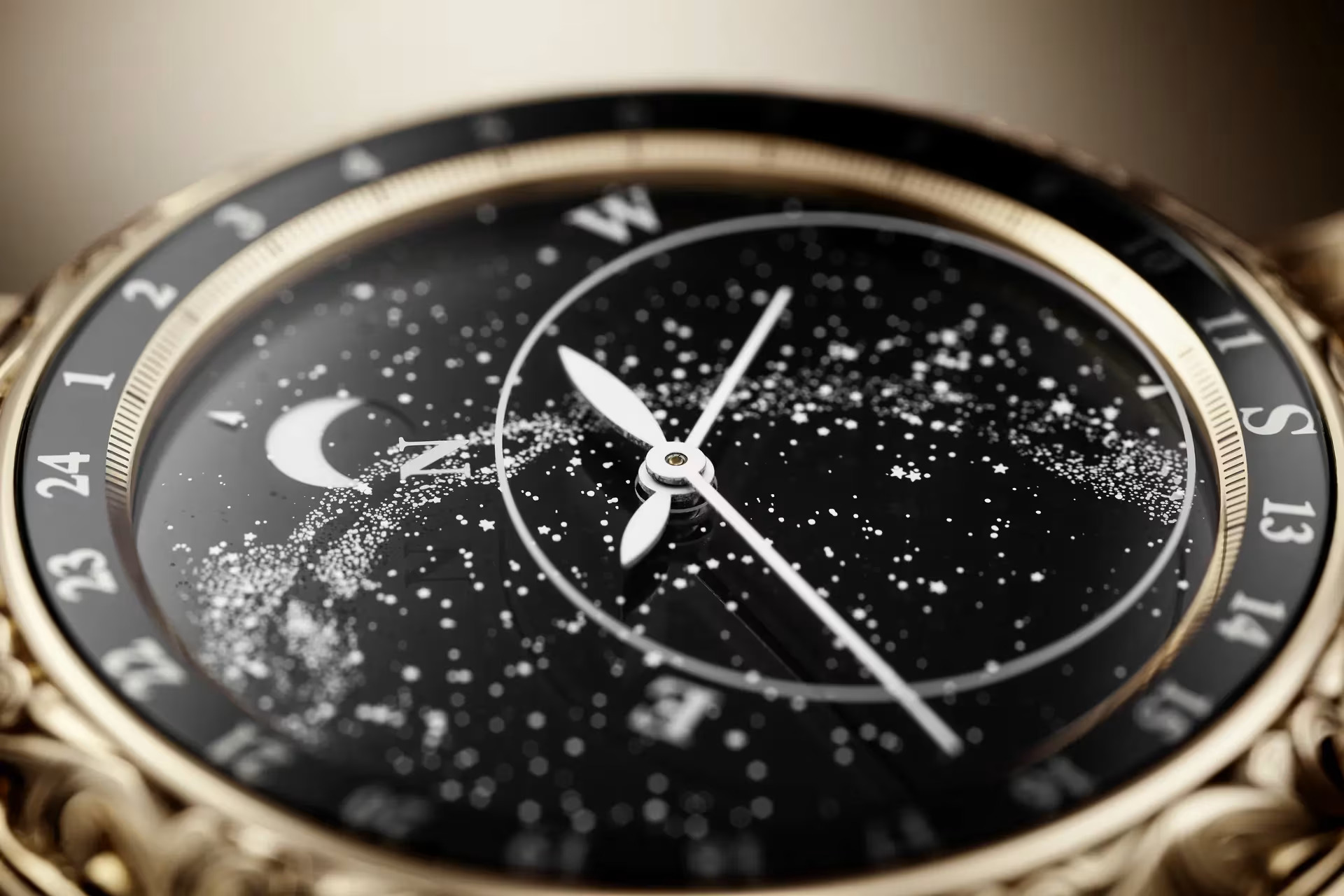
Crystal
This is the glass that covers the dial. In modern high-end watches, it’s almost always synthetic sapphire, which is highly scratch-resistant. But in vintage and some specialty models, you’ll find acrylic (like on old Speedmasters) or mineral crystal.
Why does it matter? Because crystal affects how the watch ages. Acrylic scratches easily but can be polished out. Sapphire is almost impossible to scratch, but once chipped or shattered, it needs replacing. Collectors care about this more than you’d think; especially if they’re looking at vintage references where the original crystal is part of the charm.
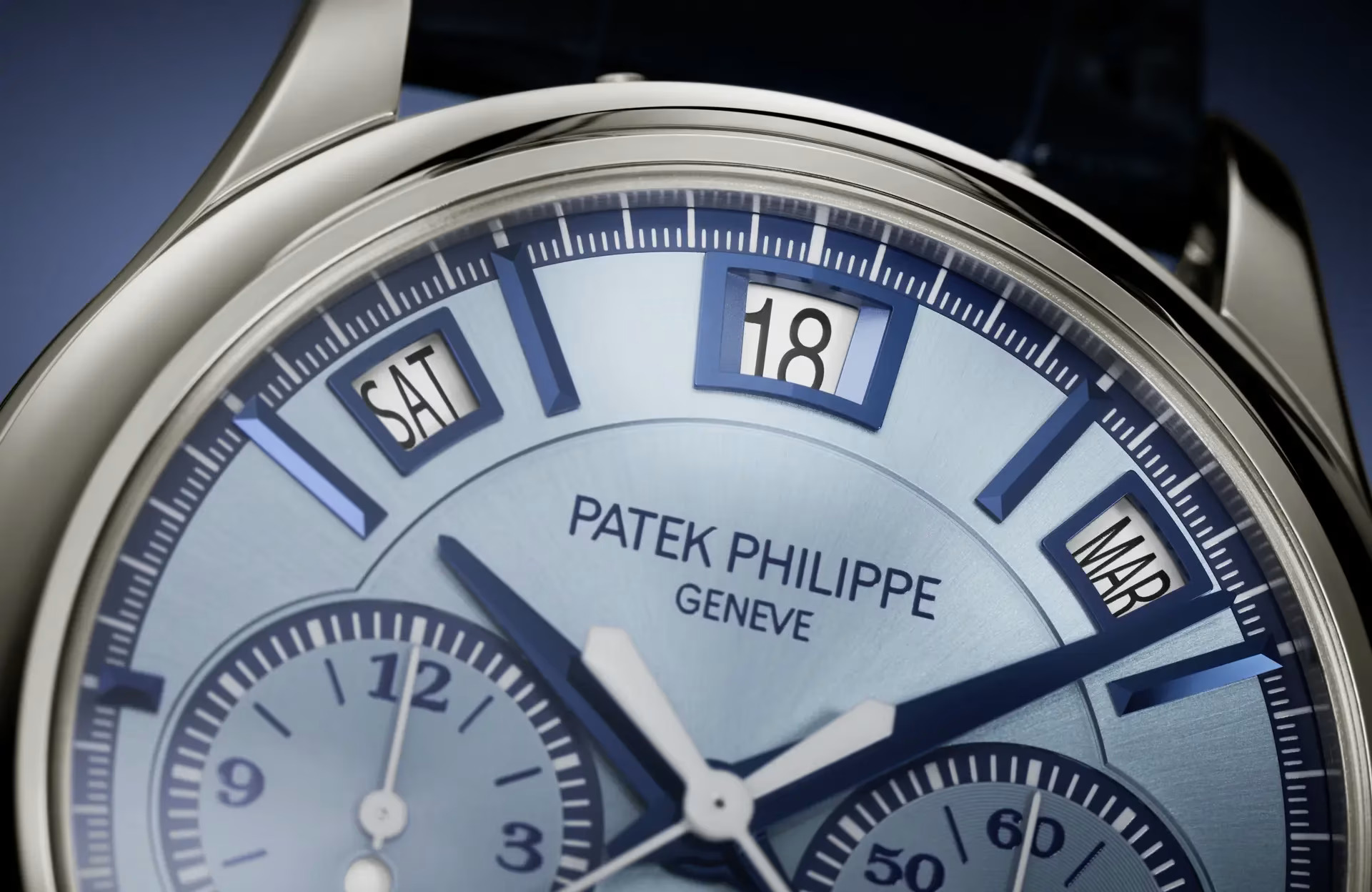
Reference Number
This is not the serial number. This is the identifier that tells you exactly which version of the watch you’re looking at. It includes case size, metal type, dial variation, and sometimes movement. Knowing reference numbers is essential. It tells you whether a watch is an early or late production, which bracelet it originally came with, or whether a dial was swapped post-sale.
At places like Lugano Watches Dubai, being fluent in references isn’t just helpful; it’s expected. That’s how serious collectors evaluate a watch before they even touch it.
Provenance
Provenance means the watch’s backstory. Who owned it, where it was sold, whether it has original box and papers, and how it’s been serviced. This is what takes two identical watches and gives one a five-figure premium. A Daytona worn by Paul Newman is a $17 million watch. The same reference without that provenance? A six-figure piece at best.
Even without celebrity history, provenance adds trust. If a watch is fully documented, bought from a known boutique, serviced by the brand, and kept in top condition, that history increases value and reduces buyer risk. And that’s why it matters.
Bracelet
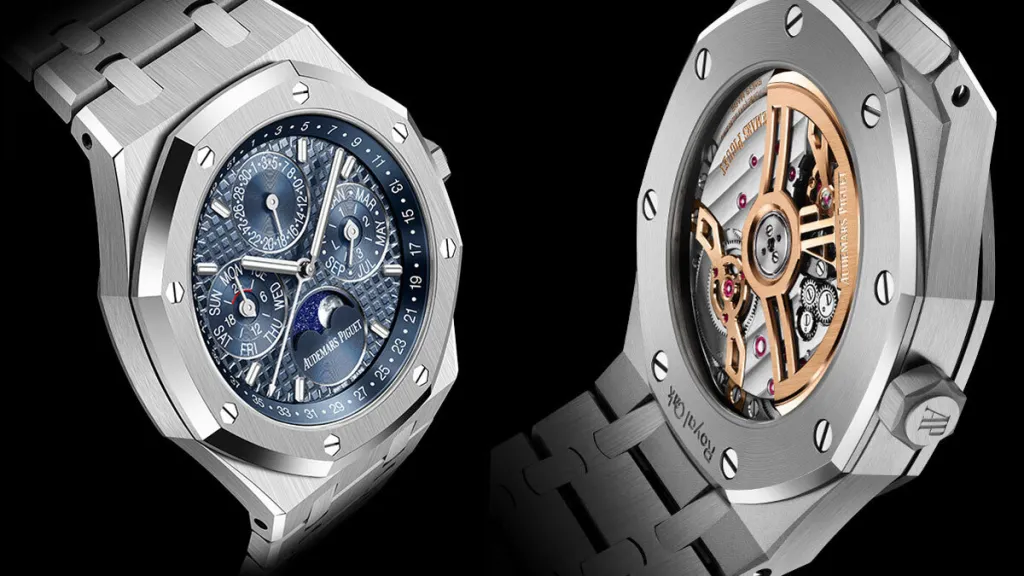
The bracelet is not just the strap. It’s often integrated into the watch’s identity. The Royal Oak’s bracelet is as iconic as the case. The Nautilus bracelet is part of what gives it its flowing elegance. On the other hand, an Oyster bracelet defines the Rolex Submariner’s rugged look.
Bracelets vary by link style, taper, finish, and weight. They affect how the watch sits on the wrist, how it reflects light, and whether or not it plays well under a cuff. Some collectors will pass on a perfect watch if the bracelet feels wrong. That’s how crucial it is.

Lugs
These are the arms that connect the bracelet or strap to the case. Sounds simple; but the size and shape of the lugs completely determine wearability. Long lugs mean more wrist presence. Short lugs sit tighter. Curved lugs hug the wrist. And some watches have integrated lugs, which means no strap swapping unless you’re sourcing custom pieces or OEM options.
A lot of watches rise or fall based on how the lugs interact with the case. And once you’ve tried on a few pieces, you’ll understand why this matters more than case diameter alone.
Lume
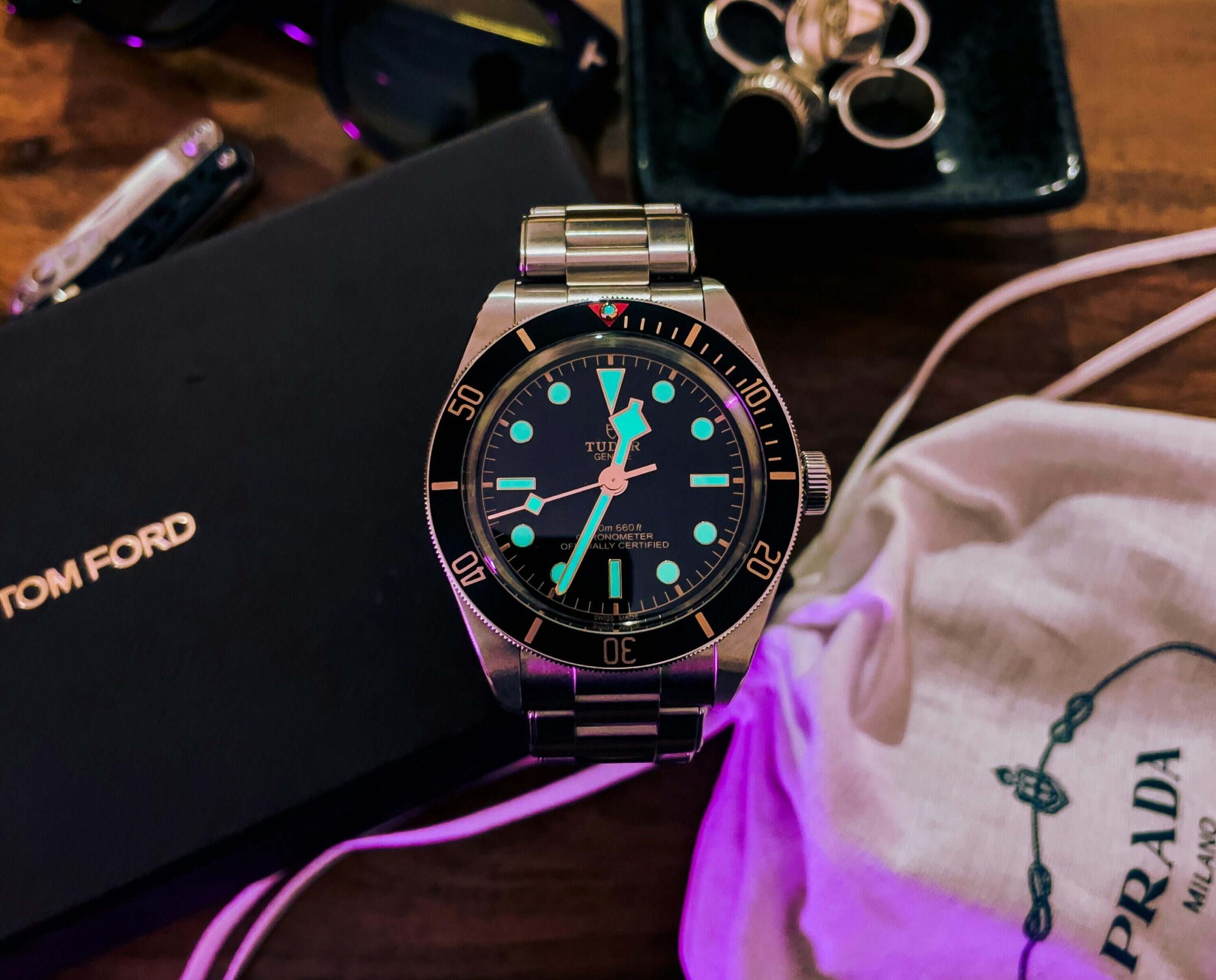
This is the glow-in-the-dark material applied to the dial and hands. Old watches used tritium or radium; now mostly banned. Today’s pieces use Super-LumiNova or similar variants.
But in vintage collecting, the aging of lume; especially patina; is a big deal. Lume that has aged evenly to a warm cream tone can add thousands to a vintage piece. Lume that’s broken, flaking, or replaced without disclosure? Red flag. It’s not about glowing in the dark; it’s about originality and authenticity.
[Image Goes Here]
These 10 terms aren’t just jargon. They’re the foundation for everything that matters in watches; design, value, collectability, wearability, and history. You learn these, and suddenly you start noticing things you never saw before. You begin to understand why one reference sells for $8,000 and another for $80,000. You get why a small scratch on a lug matters, why certain dials make people lose their minds, and why the movement inside isn’t always what drives the price.
Because once you speak the language, you’re no longer a spectator.
You’re part of the conversation.
And that’s where the real collecting begins.
_______________________________________________________________________________________________________________