
From redefining steel luxury to pushing boundaries in materials, complications, and attitude, Audemars Piguet hasn’t just stayed relevant; it’s shaped the way watchmaking moves. Here’s how.
There are watch brands that make history, and there are watch brands that bend it. Audemars Piguet is firmly the latter.
This isn’t about hype. Not anymore. It’s about staying at the edge of relevance for almost 150 years without losing the plot. About launching a steel sports watch in the 1970s that looked like an alien spacecraft and pricing it above gold. About trusting design so radical, and watchmaking so serious, that it changed the hierarchy of horology for good.
Audemars Piguet remains powerful not because it plays the old games, but because it invented new ones. It has gone from being the high horology insider’s favorite to the blueprint for modern mechanical confidence. Still family-owned. Still polarizing. Still innovating when it doesn’t have to. That’s power.
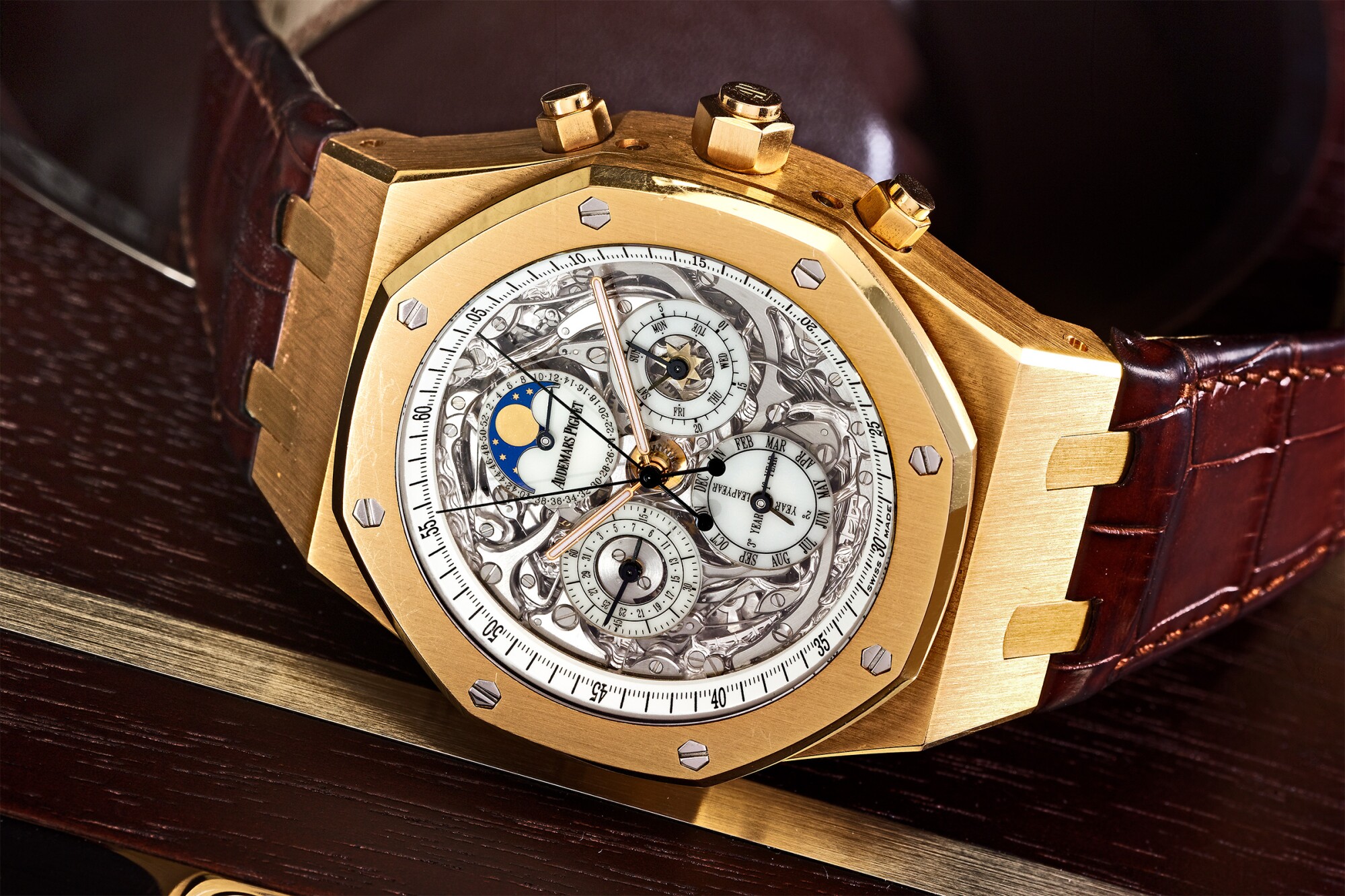
Every AP conversation starts with the Royal Oak, but most people still don’t understand what they’re looking at. When it launched in 1972, it wasn’t just bold. It was suicidal.
Steel case, visible screws, integrated bracelet, and a dial that looked like it belonged on a prototype machine tool. Price it like a dress watch in solid gold? Audemars Piguet did just that. And they didn’t flinch.
People forget; AP was almost broke when they greenlit the Royal Oak. The quartz crisis was suffocating the industry. But instead of retreating, they did the impossible: they made steel luxurious. Not just in finish, but in idea. They made a sports watch that you could wear with a tux and a racing suit. They made high design meet high horology.
Today, everyone’s copying it. Integrated bracelets. Bold casework. The blend of sculpture and engineering. It’s all downstream from the 5402.
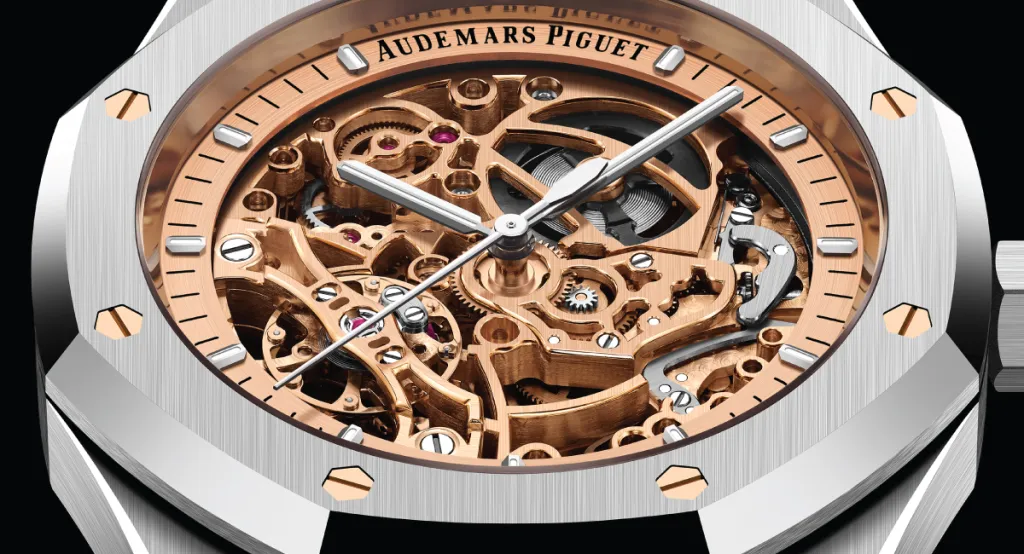
But AP didn’t stop there. They evolved it. The Royal Oak Offshore in the '90s turned the original’s elegance into something muscular, brash, and totally of its time. The Concept line took that same DNA and flung it into sci-fi. Skeletonized movements, forged carbon, ceramic cases that look like they were grown in a lab.
Audemars Piguet made the Royal Oak a canvas, not a cage. And no other brand has used one design language to say so many different things to so many different kinds of collectors.

Ask any serious collector or independent watchmaker where they’d work if they had one shot. AP comes up. Because they protect the craft.
The brand’s complications are legendary. Grande Sonneries. Minute repeaters. Perpetuals that rival Patek for finish and innovation. And all of it still made in Le Brassus. Still made by humans. Still deeply, obscenely finished by hand.
But the real kicker? They support the wild ones. AP backed Renaud & Papi before most collectors even knew what that meant. They gave room for experimentation, for high-complication madness, for movement engineering at the edge of sanity.
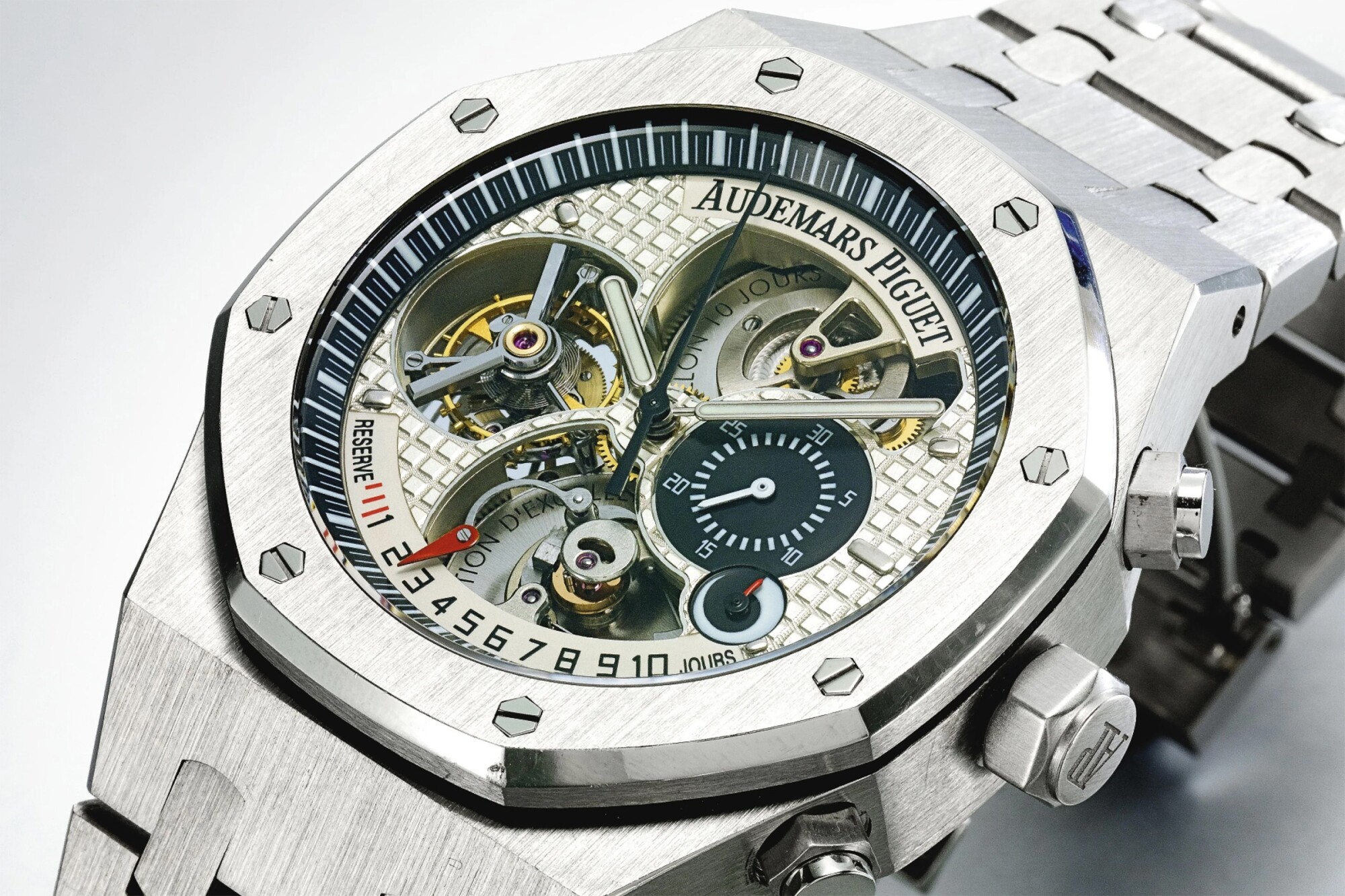
Look at the AP Concept Flying Tourbillon GMT or the Supersonnerie. These aren’t novelties. These are mechanical flexes built for collectors who’ve already seen everything.
And then there’s Code 11.59. The launch was divisive. But here’s the truth: AP didn’t care. Because Code wasn’t designed to chase trend. It was built to show off. The crystal alone is a masterclass. The cases are nightmares to manufacture. The movements are new, clean-sheet constructions. And the dials? Enamel, smoked, multilayered. If it looks simple, look harder.
They could’ve coasted on Royal Oak royalties forever. But they bet big again. That’s how AP works. Always one move ahead, even if it pisses people off at first.
Audemars Piguet knows who it is. That’s rare.
They don’t chase every market. They don’t flood retailers. They don’t explain their drops or justify their choices. And the result? Their watches feel deliberate.
This isn’t a brand run by spreadsheet. It’s run by instinct. Even their marketing is different. Look at their collaborations with Marvel or their low-volume artist projects. It's never just for clicks. It's long-game image work, tying the AP name to ideas of control, creativity, power.
Collectors respond to that. They want the Royal Oak not just because it’s hot, but because it’s heavy with meaning. It’s a symbol of modernity without losing tradition. It’s the watch for someone who doesn’t need to scream.
At Lugano Watches Dubai, we’ve seen the loyalty firsthand. Collectors who flip everything else, but keep their APs. Clients who track down rare boutique editions from ten years ago. Royal Oak Perpetuals in ceramic. Offshores with funky colorways no longer made. Because when AP nails it, they own the space. No one else even comes close.
AP is still a force because they understand the stakes. They know what collectors crave. They understand scarcity. They move like a brand with nothing to prove and everything to protect. And that’s exactly why the fire hasn’t gone out; it’s gotten stronger.
You don’t stay relevant in watchmaking by being loud. You stay relevant by being right.
Audemars Piguet has been right more times than any brand should be allowed to be. And not because of luck. Because of nerve.
They trusted design when nobody did. They funded mechanical risk when others played it safe. They doubled down on the stuff that makes watches worth collecting: soul, architecture, and a refusal to settle.
The Royal Oak might be the headline. But it’s everything underneath; the experimentation, the stubbornness, the community of watchmakers behind the scenes; that keeps AP in the conversation.
They’re not just a luxury brand. They’re a benchmark. A line in the sand. The proof that a watch can be both art and engine.
And as long as they keep building with that mindset, Audemars Piguet won’t just stay relevant.
They’ll keep leading the way.