
Not every luxury watch is an investment. Find what truly separates long-term value from hype: scarcity, reference history, cultural weight, and condition. A collector’s guide from the vaults of Lugano Watches Dubai.
Everyone wants to talk about investment watches these days. It’s become the buzzword in luxury circles: “Will it hold value?” “Is this a safe buy?” “Should I get this or wait for allocation?” And sure, it’s smart to think about long-term value. But let’s set the record straight.
Most watches are not investments.
They’re purchases. Good ones, often beautiful ones; but still expenses, not assets.
The real investment pieces? They follow very specific rules. They’re rare for the right reasons. They hold cultural weight. And more importantly; they have demand that doesn’t fade just because the market mood changes.
So, let’s break down what actually makes a watch investment-worthy. Three core truths. And yes, even seasoned collectors might want to take notes.
Let’s start with what people think makes a watch valuable.
It’s not just the price tag. It’s not even just the brand.
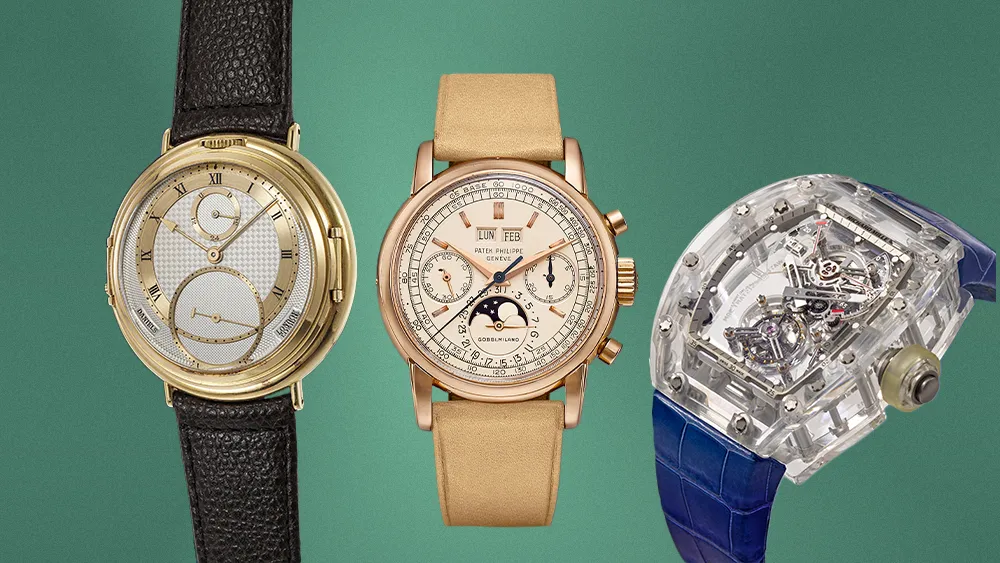
It’s how tightly the brand controls the supply and how well that watch fits into the historical context of the collection.
Look at the Patek Philippe Nautilus 5711. It’s not valuable because it’s flashy. It’s valuable because Patek drip-fed it into the market for over a decade, kept production numbers low, never let it become too available; and then pulled it altogether in 2021. That created instant historical weight. Anyone who owned one before the announcement watched their piece double, triple, even quadruple in value depending on configuration.
Same goes for the Audemars Piguet Royal Oak 15202ST; the “Jumbo.” When AP discontinued it in 2022, they didn’t just retire a model. They ended a 50-year run of one of the most important Genta designs ever made. Value exploded overnight because the watch had already been significant; and now it was finite.
So the lesson is this: real investment watches aren't made valuable by their materials. They’re made valuable by their narrative, scarcity, and timing.
Even Richard Mille; a brand often misunderstood by traditional collectors; has executed this masterfully. RM doesn’t just build watches; it builds hype-proof demand. They make incredibly low quantities of each reference, tie them to elite athletes or artists (Nadal, Pharrell, Bubba Watson), and ensure that distribution is kept under strict control. When you see a vault full of RMs at Lugano Watches Dubai, you’re not seeing hype. You’re seeing precision strategy and access that money alone can’t buy.
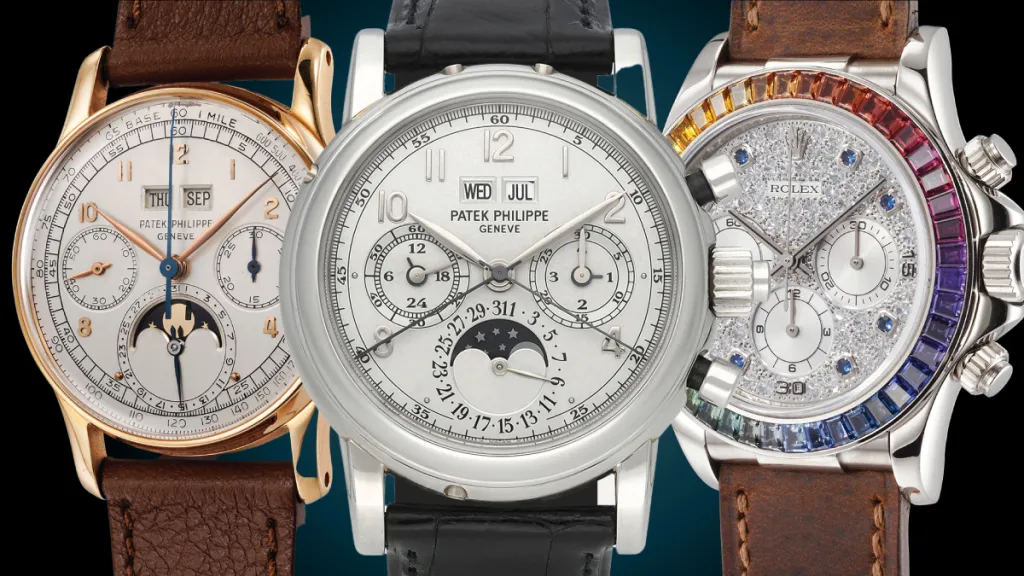
Here’s the part a lot of people get wrong: they think a watch becomes an investment if it’s iced-out or made in gold. But the truth is, the strongest long-term performers are usually the simplest references with deep context.
Let’s unpack that.
The Rolex Daytona is an obvious choice. Not the rainbow one. Not the factory-set leopard print (though those have their moment). No; we’re talking about the steel Daytonas, especially those tied to the Paul Newman dial configurations. Simple? Yes. Understated? In photos, maybe. But packed with collector energy.
Why? Because they tell a story. A story of race tracks, design flukes, and years of underappreciation before the market woke up. Add in finite production windows and historically significant design tweaks (open vs closed 6s, serif fonts, pushers, etc.), and you’ve got a collector’s dream.
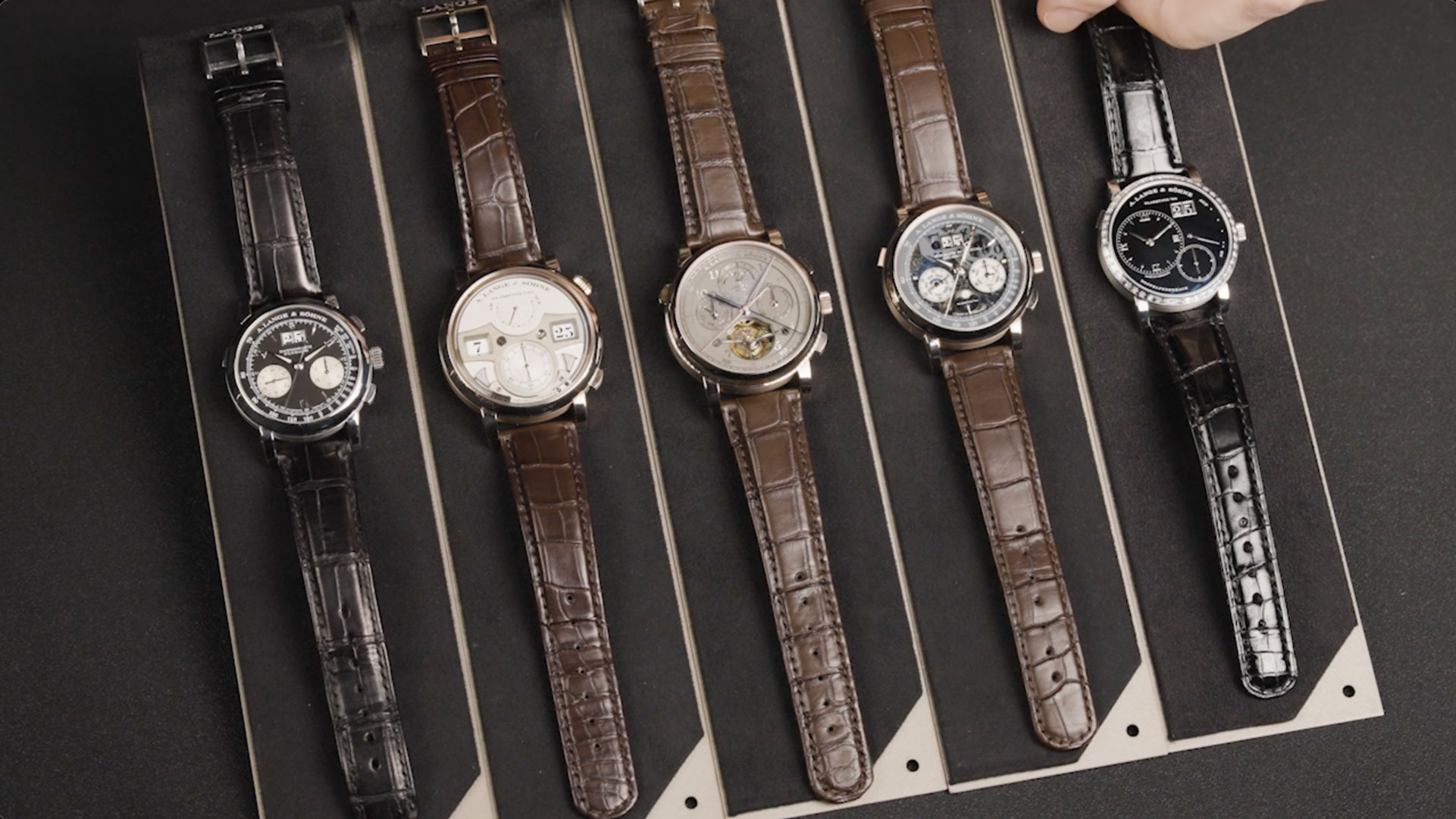
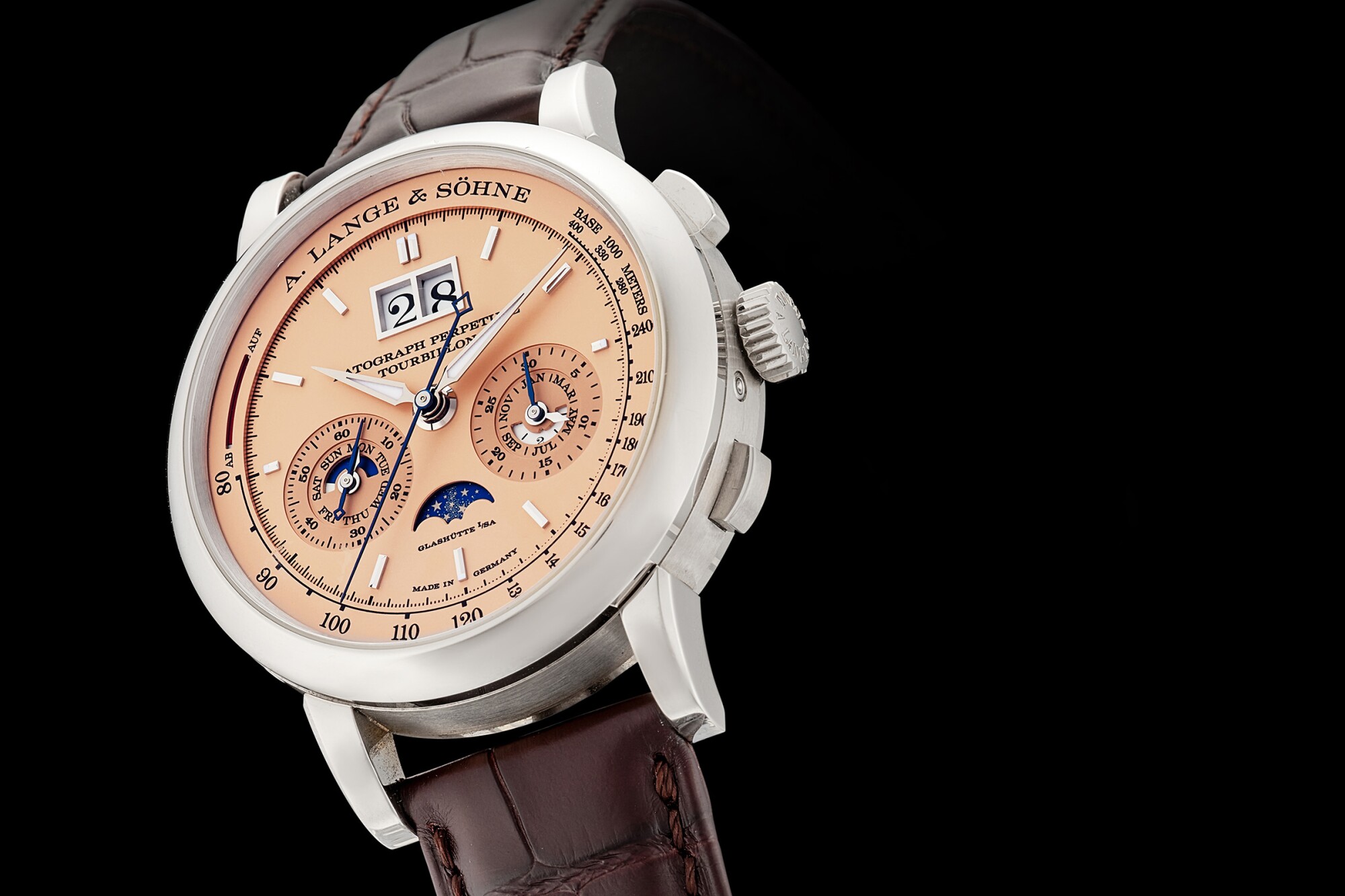
Now look at the A. Lange & Söhne Datograph. Not flashy. No celebrity ambassador. But the movement was so technically ahead of its time when it launched in 1999 that it made Patek fans nervous. To this day, it remains one of the most respected chronograph calibers ever produced. That’s watchmaking investment grade. The kind that doesn’t rely on gold or diamonds; it relies on reputation.
Even independent pieces follow this rule. The F.P. Journe Chronomètre Bleu became an investment not because it was rare; it became an investment because it combined purity of design with a beautifully hand-finished, manually wound movement, and a titanium case when no one was doing titanium like that.
So next time someone tells you to buy the flashiest thing in the case, stop them and ask:
What reference is this?
What role did it play in the brand’s history?
Is it still being made?
How many are out there?
And what version of this reference is the one?
Because the answer to those questions matters more than the metal.
Here’s the final piece. In today’s market, the best investment watches are backed not just by hype, but by documentation, history, and transparency.
This is where condition and provenance come into play. Two of the exact same watches; same reference, same materials; can vary in price by tens of thousands depending on the story.
Is it full set? (box, papers, warranty, tags, original invoice?)
Has it been serviced? If yes, where; and how?
Was it part of a limited run? Or even better; part of the first batch of a limited run?
Any engraving on the caseback? How’s the case sharpness? Are the lugs polished down?
All of this plays into value. This is why auction houses like Phillips and dealers like Lugano Watches Dubai spend time educating clients on specifics. Because they know that an informed buyer becomes a long-term collector, not just a trend chaser.
We’re seeing more transparency in the market now. More watch brands are releasing production numbers. More secondary dealers are investing in documentation, provenance research, and even auction support. That matters. Because in this space, value follows clarity.
It’s also why some watches that were previously under the radar are now making massive moves. Think Cartier CPCP, early Vacheron Overseas, or certain Breguet Tradition references. The information is finally available, and the smart money is paying attention.
Let’s be clear. If you want to buy a watch for passion, do it. If you want to buy a watch because it makes you feel like a king, do it. But if you want to buy a watch as an investment, you have to approach it like you would art, real estate, or stocks.
Know the history.
Know the references.
Know the market psychology.
And then? Buy ahead of the curve.
The best investment watches are the ones that make sense before everyone else sees it. That’s how every legend begins: overlooked, undervalued, underappreciated. Until one day, it isn’t.
At that point, you’re not just holding a watch.
You’re holding leverage.
And the people who know the difference between those two? They’re the ones shaping the next chapter of horology.
_______________________________________________________________________________________________________________