
The long-term performance of ceramic and steel bezels, how they age, and what collectors need to know before choosing between them.
There was a time when a bezel was just another piece of metal on a watch, functional and largely unremarkable.
Then ceramic arrived, and suddenly bezels became a flashpoint for debate among watch lovers. What began as a technical improvement to combat scratching has become one of the most visible dividing lines in modern watch design.
Today, the choice between ceramic and steel is not simply a matter of preference. It is a question of how you want your watch to age, how it will look ten or twenty years from now, and how you feel about the way it develops its scars.
Spend enough time talking to collectors and you will find there are two camps.
The first believes ceramic is the future because it stays looking factory-fresh almost forever. The second insists that steel carries the soul of a tool watch because it changes with you, recording every adventure in tiny nicks and scratches.
The truth, as always, is more complex than a simple better-or-worse comparison.
To decide which bezel truly wears better over time, you need to understand what each material is really doing for you.

Ceramic bezels first entered the mainstream watch conversation when Rolex began introducing Cerachrom across their sports watch lineup in the mid-2000s.
Other brands followed suit, from Omega’s Liquidmetal to Blancpain’s satin-finished ceramic divers. The appeal was immediate. Ceramic is virtually impervious to scratches. Where a steel bezel will quickly collect hairline marks from cuffs, door frames, and stray table edges, ceramic shrugs them off entirely. A ceramic bezel can look almost brand new after years of daily wear, which is especially appealing to those who want their watches to maintain a pristine appearance.
Another advantage is colourfastness.
Unlike aluminium or painted steel inserts, ceramic bezels do not fade in sunlight.
The deep blacks, bright blues, or rich greens stay exactly as they were when they left the factory. For collectors, this means a watch purchased today will look remarkably similar decades down the line, at least in terms of its bezel.
On a purely functional level, ceramic is also extremely hard. It will not bend or deform like metal might under impact.
The drawbacks are less visible at first but worth considering. Ceramic is brittle. It is far harder than steel, but that hardness comes at the expense of flexibility. Drop your watch onto a tiled floor or hit the bezel against a sharp corner with enough force, and ceramic can chip or shatter. Repairs are expensive, often requiring the entire bezel to be replaced. This is the trade-off: immaculate surfaces that resist scratches but an ever-present risk of catastrophic damage in extreme situations.
For some, this is not a problem at all. If you treat your watches carefully, ceramic will serve you perfectly. For others, especially those who wear sports watches as they were originally intended, the possibility of a bezel breaking in one accident makes them wary. But there is no denying that for sheer day-to-day beauty retention, ceramic is the undisputed champion.
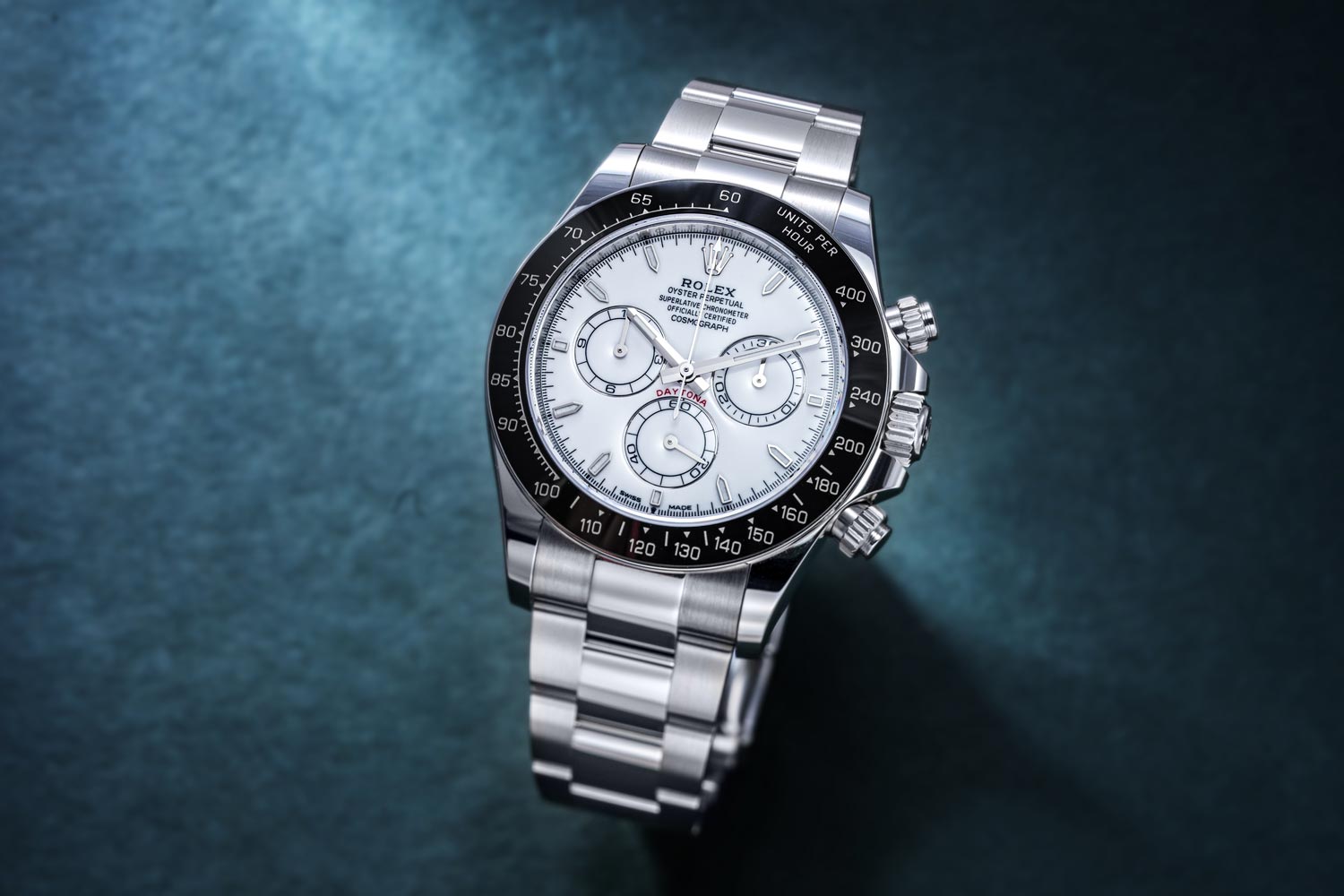
Steel bezels are the old guard, the material that defined tool watches for decades before ceramic ever entered the picture. They are softer and more forgiving than ceramic, which means they will not shatter if struck. Instead, they deform.
They dent, they scratch, they pick up marks in the same way a leather jacket creases or a favourite guitar picks up dings.
For some collectors, this is not damage.
It is character.
One of the most romantic things about steel bezels is how they tell a story over time.
Every mark has a memory attached. The scratch at two o’clock might be from that trip to Santorini where you brushed the watch against a stone wall. The tiny dent near the pip could be from years of desk diving. Steel records your life, and for those who believe watches are meant to be lived with, this is invaluable.
Steel is also easier and cheaper to repair or refinish.
A skilled watchmaker can polish out scratches or re-brush the surface to bring it back to near-original condition.
Even if you never restore it, steel ages gracefully.
It develops a soft patina, particularly if paired with aluminium inserts that fade under UV light. This patina is one of the hallmarks of vintage sports watches, and it is part of the reason why vintage Rolex Submariners, GMT Masters, and Omega Seamasters hold so much charm.
Of course, steel’s softer nature means it will never stay perfect for long. Within weeks of daily wear, you will see micro-scratches. If your goal is to keep your watch looking showroom new, steel will frustrate you. But if you see beauty in the imperfections, steel is unmatched in the way it evolves.
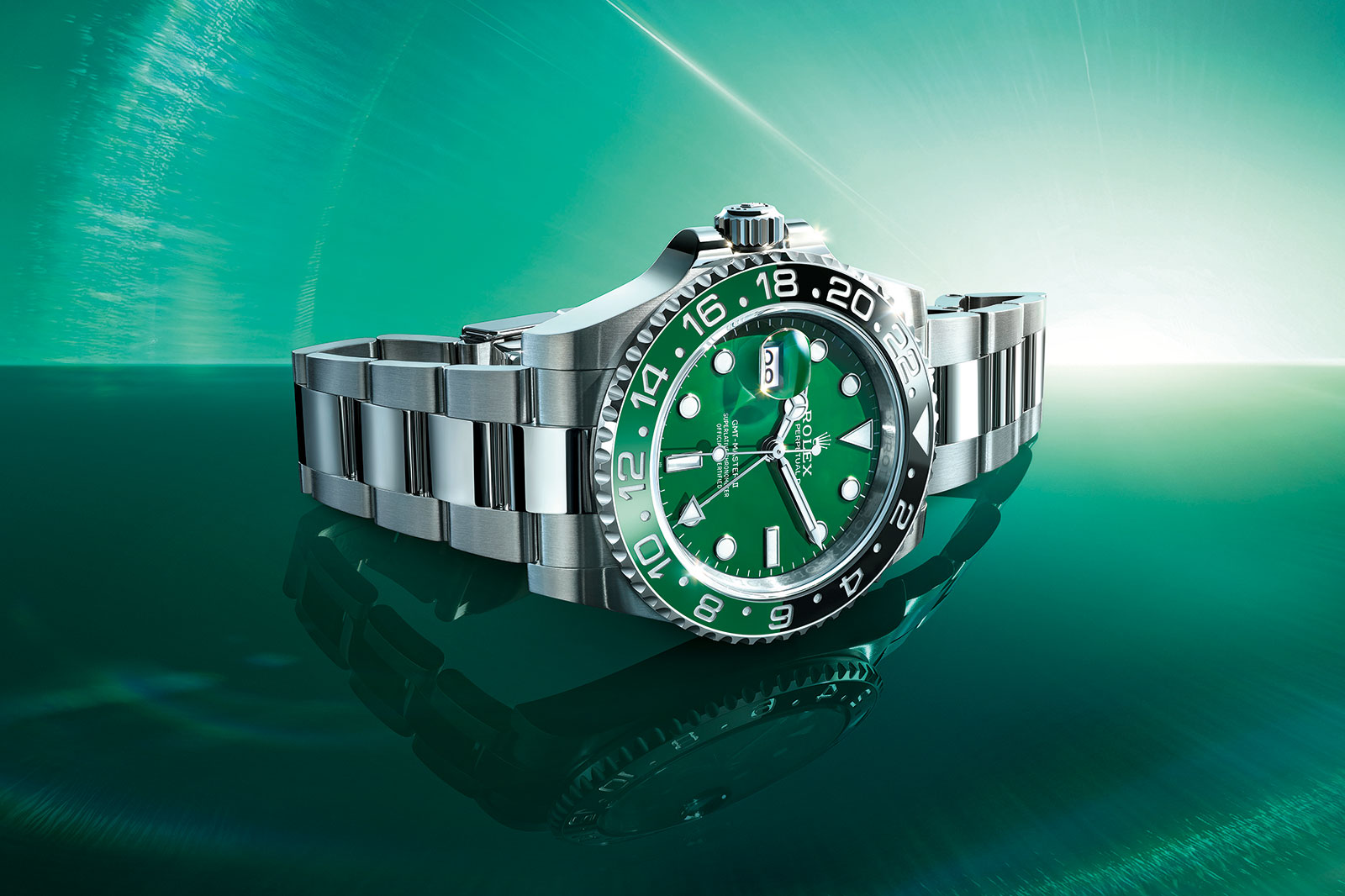
The choice between ceramic and steel bezels ultimately comes down to your relationship with wear and age. If you view a watch as an object that should resist the passage of time as much as possible, ceramic offers peace of mind. It will retain its colour and clarity almost indefinitely under normal conditions, and scratches will be virtually non-existent.
You will always have that glossy, immaculate look staring back at you.
If, on the other hand, you see a watch as a companion in your life’s adventures, steel offers something ceramic cannot: a visible, tactile history. Its surface will change as you do, and it will bear the marks of where you have been.
Over time, it will become uniquely yours in a way no mass-produced pristine surface ever could.
At Lugano Watches Dubai, we often see clients facing this exact choice when purchasing a new sports model.
Some fall instantly for the sharp, unchanging look of a ceramic bezel.
Others want a watch they can take everywhere without worrying about chips and cracks, knowing it will age gracefully in step with them.
Neither is objectively better. Each is simply better suited to a different philosophy of ownership.
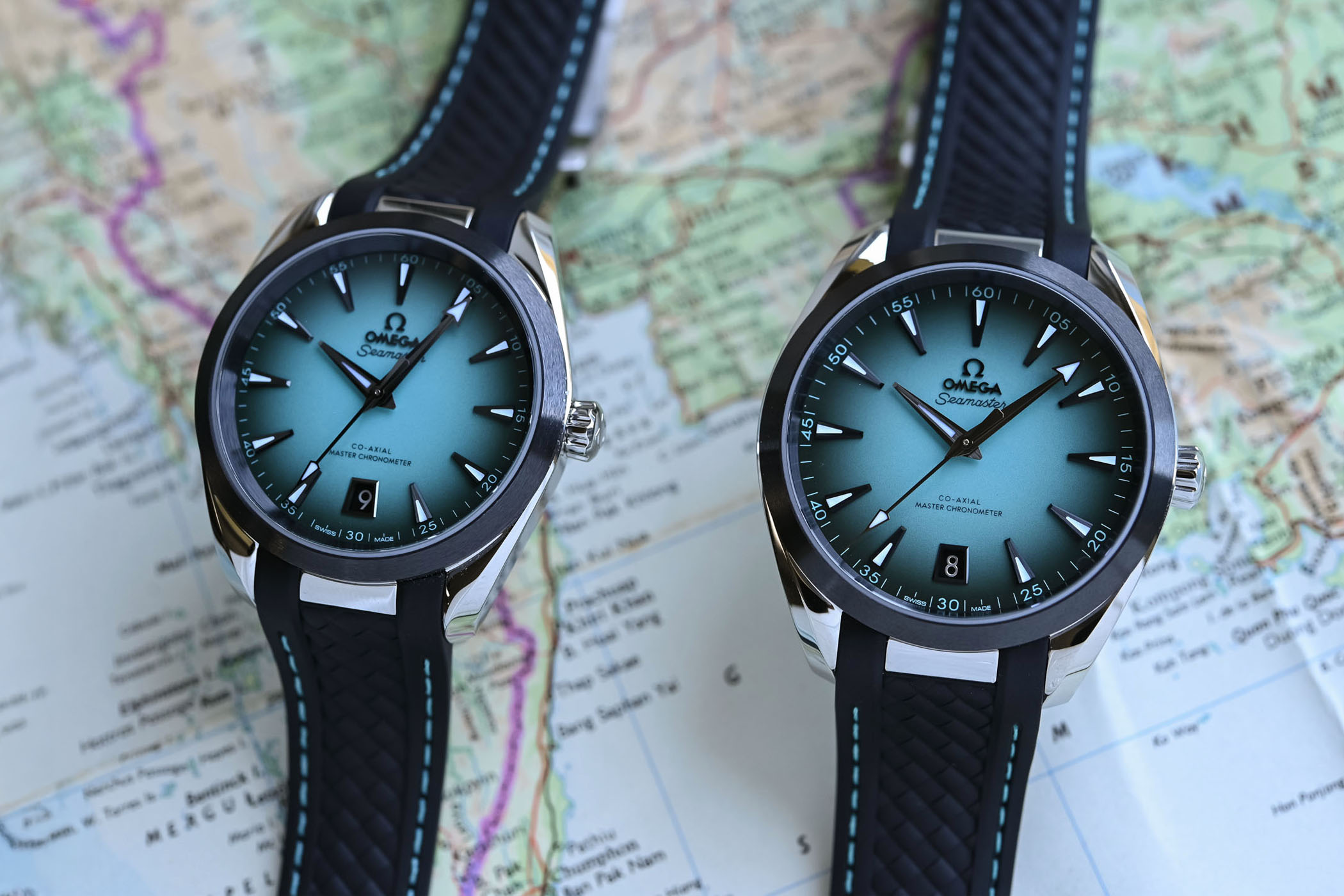
There is no single answer to which wears better over time, because the question is not purely technical. It is emotional.
Ceramic is for those who want permanence, for those who take comfort in a watch that looks today as it will in twenty years. Steel is for those who embrace change, who see the passing of time etched into the surface of their watch as a record of a life well lived.
In the end, the right choice is the one that matches your temperament and your habits.
If you know you will be devastated by a chipped bezel, ceramic might not be worth the anxiety. If you find yourself constantly buffing out scratches on steel, perhaps the resilience of ceramic will feel liberating.
Either way, the bezel is more than just a functional component. It is one of the most visible parts of your watch, the frame through which you see the dial every single day. Choosing between ceramic and steel is not just about durability. It is about how you want that frame to evolve alongside you. And that decision, perhaps more than any technical specification, is what will determine which one truly wears better over time.