
A comprehensive history of how the global luxury watch market made its way to Dubai in recent years.
Ask any serious collector where the best watch market in the world is today, and they won’t say Geneva. They won’t say London. They might pause for New York, maybe Hong Kong. But eventually, if they really know the landscape, they’ll say it outright: Dubai.
And they’ll be right.
This is no accident. Dubai didn’t just become the watch capital of the world overnight. It earned it; through infrastructure, ambition, collectors, and a culture that treats watches not as accessories, but as assets, status, and sport.
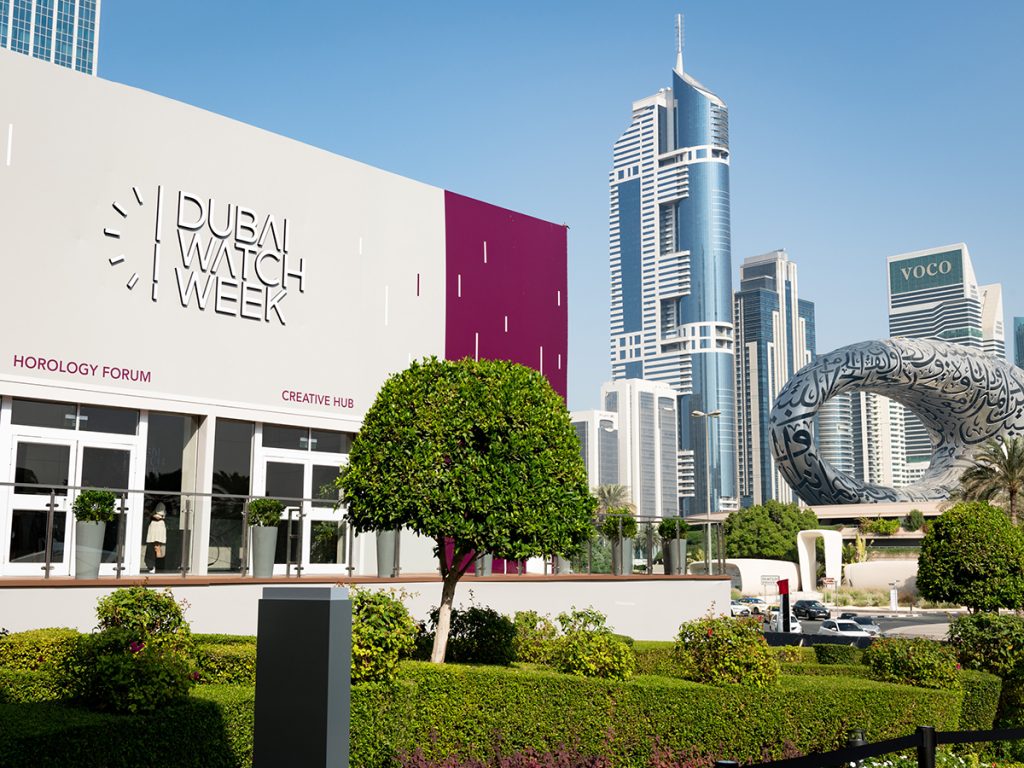
First, let's talk logistics. Dubai didn’t just throw up a few boutiques and call it a day. It engineered itself into the horological map with almost surgical precision. The UAE understood early that in luxury retail, watches punch far above their weight. A Patek sale can rival a small yacht. A Richard Mille might sell for the cost of a villa. So they built for it.
Every major brand you can name has a flagship here: Audemars Piguet, Patek Philippe, Vacheron Constantin, Rolex, Cartier, Richard Mille, Hublot, and many more. And these aren’t “franchise” boutiques tucked into some dusty mall corner. These are multi-story architectural showcases; some of the most advanced in the world; staffed with multilingual teams who know their references as well as their clientele’s tax status.
Then you factor in Dubai’s geography and wealth flow. It sits at the crossroads of Europe, Asia, and Africa. For the jet set, it’s a 6-hour flight from almost anywhere that matters. There’s no import tax on watches. No VAT for tourists. Private banks within walking distance of every major boutique. And for the ultra-elite? You can land your Gulfstream, do your entire watch tour in a weekend, and be back in St. Moritz before the snow melts.
But access goes beyond just buying.
What really changed the game is how open Dubai became to global collectors. Brands started previewing major releases here. Auction houses launched Middle East branches. And independent dealers; like Lugano Watches Dubai; flourished by giving collectors access to watches that simply don’t exist anywhere else. You’re not flipping through catalogs here. You’re seeing a vault of references that have been discontinued, quietly traded, or never even made it to the West.
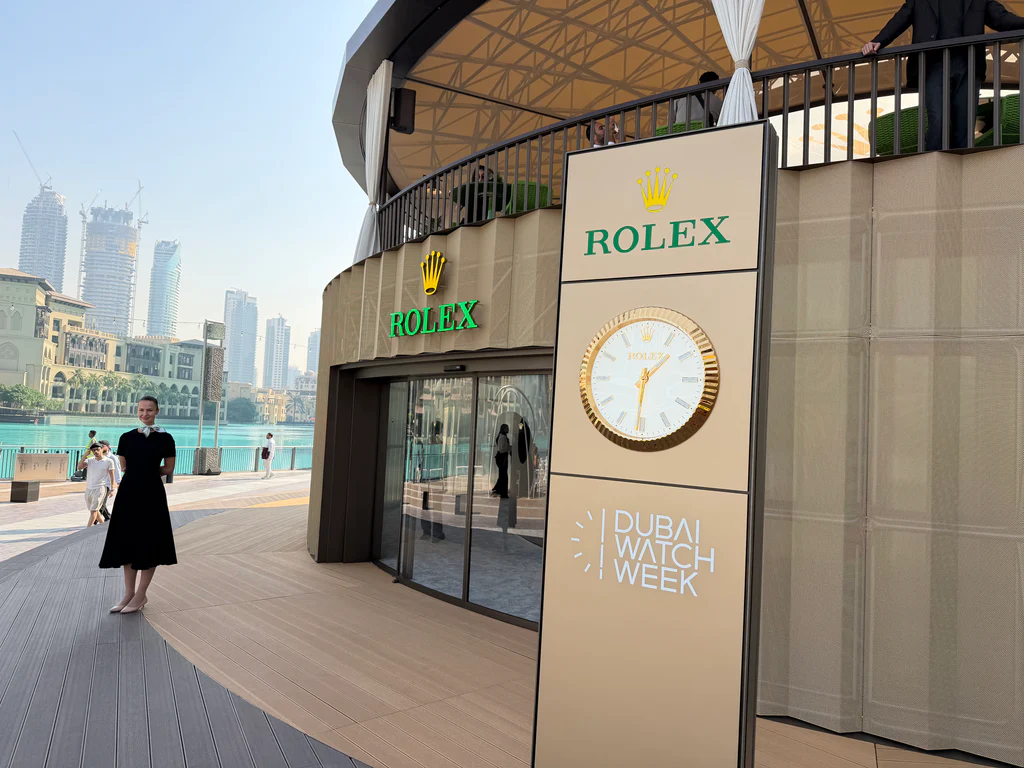
Here’s what most people get wrong about Dubai: they assume it’s all glitz, gold, and empty flexing. They assume it’s “just” money. That people walk in and drop a million on an RM like they’re buying sneakers.
And yes; there’s a lot of money here. But there’s also taste. And discipline. And ambition.
Dubai’s watch scene is younger than Geneva’s, yes, but it’s also faster, sharper, and more competitive. The collectors here aren’t just rich; they’re engaged. They’ve studied. They’ve traveled. They’re forming relationships with brand CEOs, not just boutique managers. They’re the reason rare references are starting to drop in the UAE before they hit Europe or the U.S.
You walk into Lugano Watches Dubai and you don’t just see the same 116500 Daytonas and Pepsi GMTs that are sitting in every other grey market dealer. You see thirty-piece Richard Mille collections, early Cartier Privé pieces, prototype Pateks, discontinued Vacheron skeletons, APs with case materials that haven’t been made since the '90s. And the person showing it to you? Probably a collector themselves.
What makes Dubai different is that watch culture here is horizontal. You’ll find a guy wearing a $400,000 Grand Complication chatting with someone just getting into Seikos, and both are equally obsessed with details. The community doesn’t gatekeep. It educates. It brings you in.
Which is why you’re now seeing global watch media, brand ambassadors, and even auction giants like Christie’s and Phillips spending more time in Dubai than ever before. It’s not just where the watches are; it’s where the watch world is going.
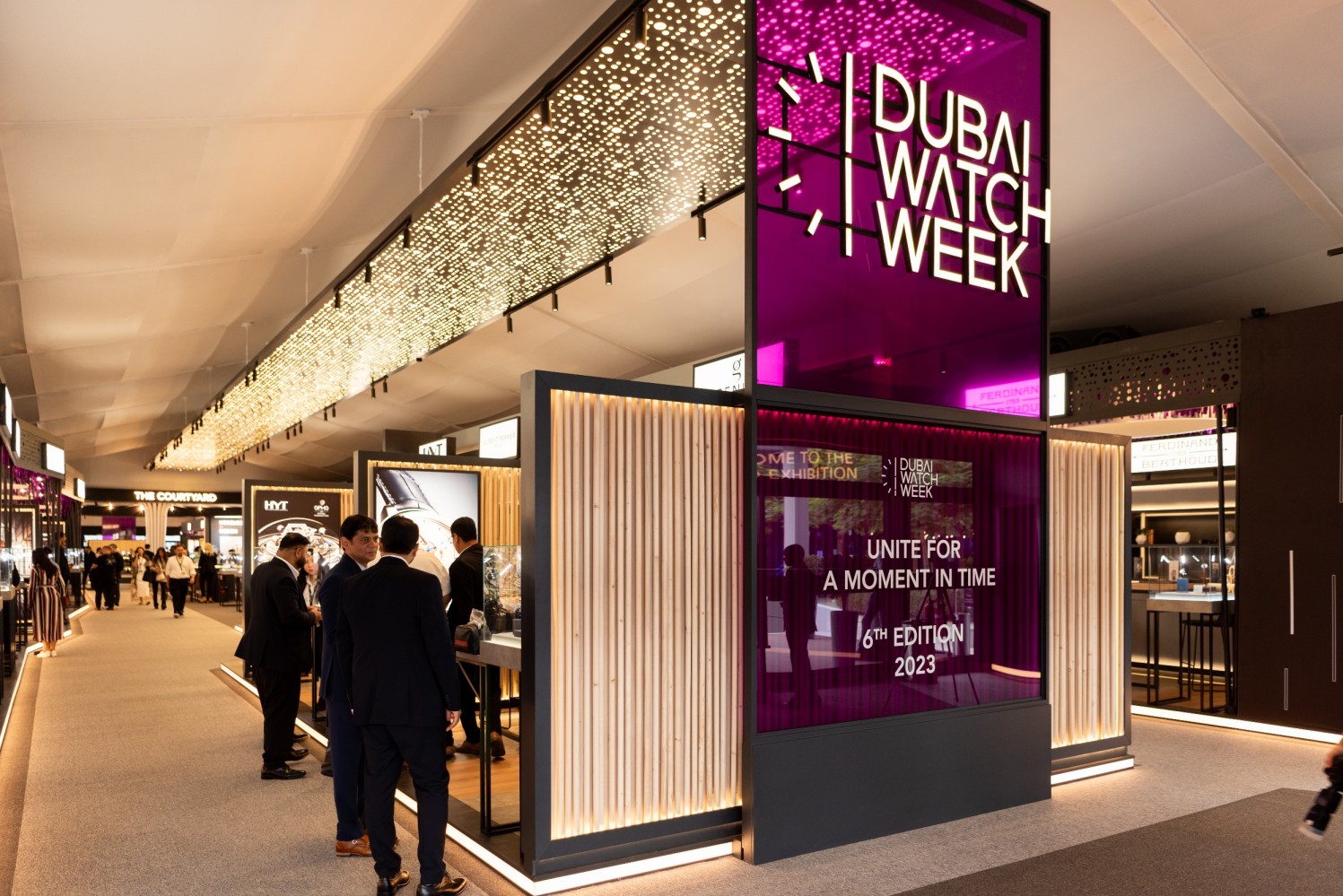
We’re in a new era of collecting. It’s not enough to own something rare. People want insight. They want credibility. They want to know not just that the watch is valuable, but why; who designed it, how many were made, what movement it uses, what it represents in the brand’s history.
Dubai is already delivering on that level. But it’s also doing something the old guard never could: making the world’s rarest watches accessible to the public eye.
Take what’s happening at Lugano Watches Dubai. For years, collectors have hoarded knowledge; quietly buying references that others didn’t understand yet, flipping them at peaks, hiding the true value until it was too late. Lugano is flipping that script. They’re opening the doors. They’re showing the vaults. They’re not just selling watches; they’re teaching watches. Online. In person. Through curated posts that explain the difference between movements, dial textures, production runs, and case metallurgy in a way that even seasoned collectors pause and go, “Damn, I didn’t know that.”
And more importantly; they’re showing people that you don’t need to have a 7-figure bank account to start learning.
Because Dubai isn’t just the watch capital in terms of buying; it’s fast becoming the capital in terms of watch literacy. And that’s what will matter most over the next decade.
The next wave of collectors isn’t going to be defined by inheritance or connections. It’ll be defined by information. And Dubai is leading the charge in giving that information out freely, precisely, and enthusiastically.
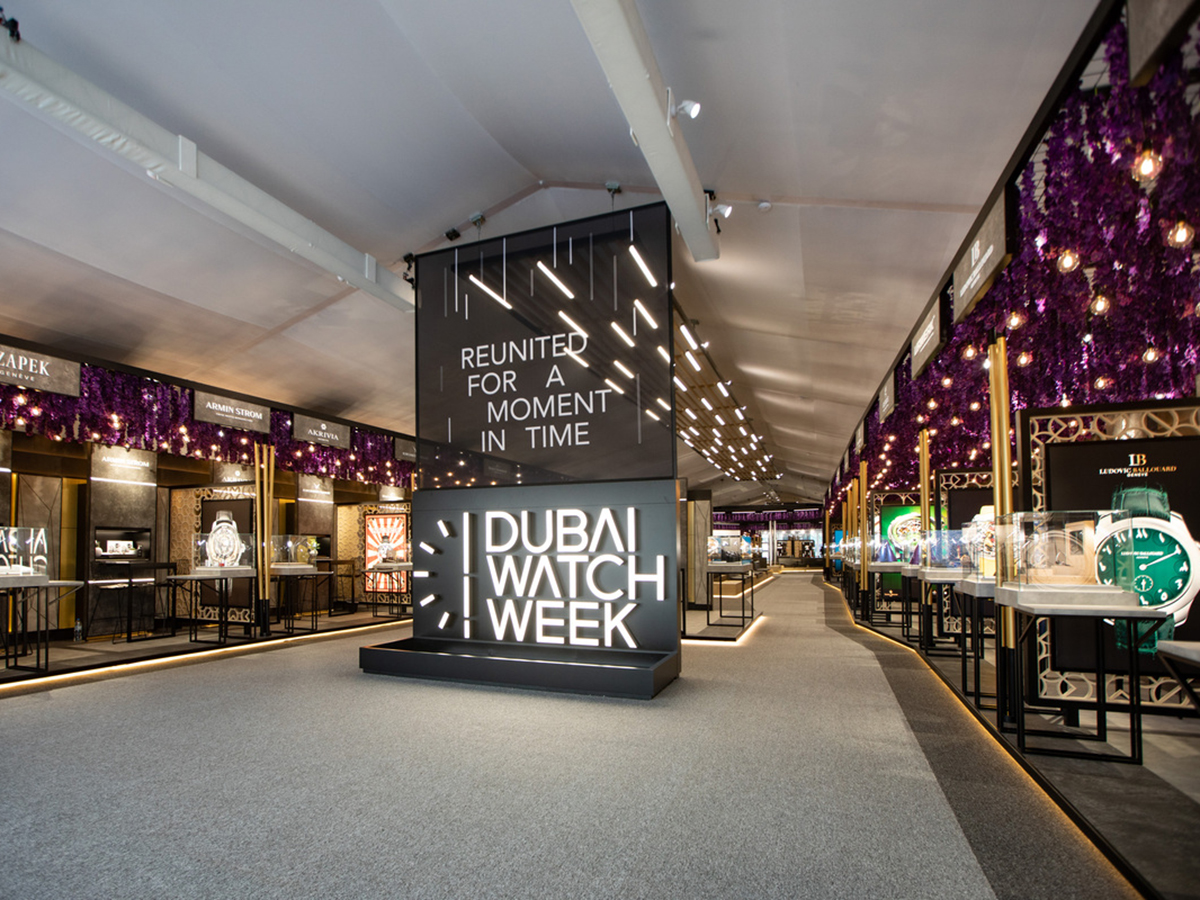
There’s a reason every serious watch brand is expanding its presence here. A reason collectors from London, Paris, LA, and Singapore are flying into Dubai not just to shop, but to talk, to trade, to learn. A reason why some of the best independent brands; F.P. Journe, De Bethune, Czapek; are now being stocked by serious dealers like Lugano. Because they know what’s happening.
Dubai isn’t a market anymore. It’s a movement.
It’s what happens when a city decides to go all in; not just on luxury, but on taste. When it commits not only to sales, but to storytelling, education, and community. And yes, to inventory that would make even a Geneva vault blush.
So next time someone tells you Geneva is still the center of the watch world, ask them this: When’s the last time you walked into a boutique there and saw a full collection of Richard Milles, Vacheron openworks, and a prototype Patek in the same room?
Because in Dubai, that’s just a Tuesday.
_________________________________________________________________________