
Learn why Vacheron Constantin, founded in 1755, remains the world’s oldest continuously operating watchmaker. From historical milestones to technical mastery, here’s why it’s still at the top of high horology.
In the world of high horology, age alone doesn’t earn you respect. Plenty of companies are old. Plenty have been revived, rebranded, or merged out of their original identities. But one name has survived, uninterrupted, since the age of powdered wigs and candlelit desks: Vacheron Constantin.
Founded in 1755, Vacheron Constantin has been continuously producing watches for over 265 years. And the remarkable part? It’s never coasted on that. It didn’t become a museum brand, or a historical footnote. It kept evolving, innovating, and quietly building some of the most mechanically and artistically significant timepieces in the world.
And here’s the kicker; while brands like Rolex chase sport prestige, or Patek plays to its heritage collectors, Vacheron Constantin exists in a lane of its own. It doesn’t scream. It doesn’t need to. Because once you know what you’re looking at, you understand: this is the blueprint.
Let’s get into why.
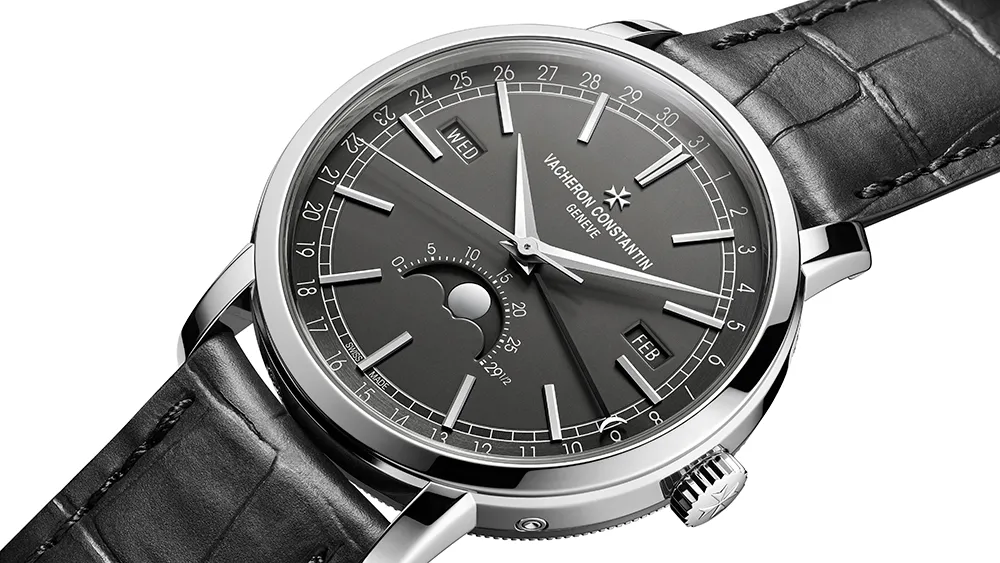
Plenty of brands claim founding dates in the 1700s or 1800s, but most of them took long pauses, went bankrupt, or were rebooted later by modern corporations. Vacheron Constantin? It’s the real deal. Founded in Geneva in 1755 by Jean-Marc Vacheron, it started as a workshop with a single apprentice. By 1819, François Constantin joined the house, and the motto “Do better if possible, and that is always possible” was born.
That phrase isn’t marketing fluff. It’s how they’ve operated. Through wars, financial collapses, revolutions, the Quartz Crisis; Vacheron kept going. They didn’t shutter the factory. They didn’t offload the name. They kept making watches.
They also never chased trends. In the 1970s, while other brands scrambled to survive with cheap quartz models, Vacheron doubled down on finishing, artistry, and refinement. Yes, they dabbled in quartz like everyone else. But the DNA of the brand; fine finishing, elegant complications, and movement mastery; never got diluted.
And the record reflects that. Vacheron Constantin has produced some of the most significant pocket watches in horological history, including the Reference 57260; the most complicated mechanical watch ever made, with 57 complications. That’s not heritage as a tagline. That’s heritage as a reality.
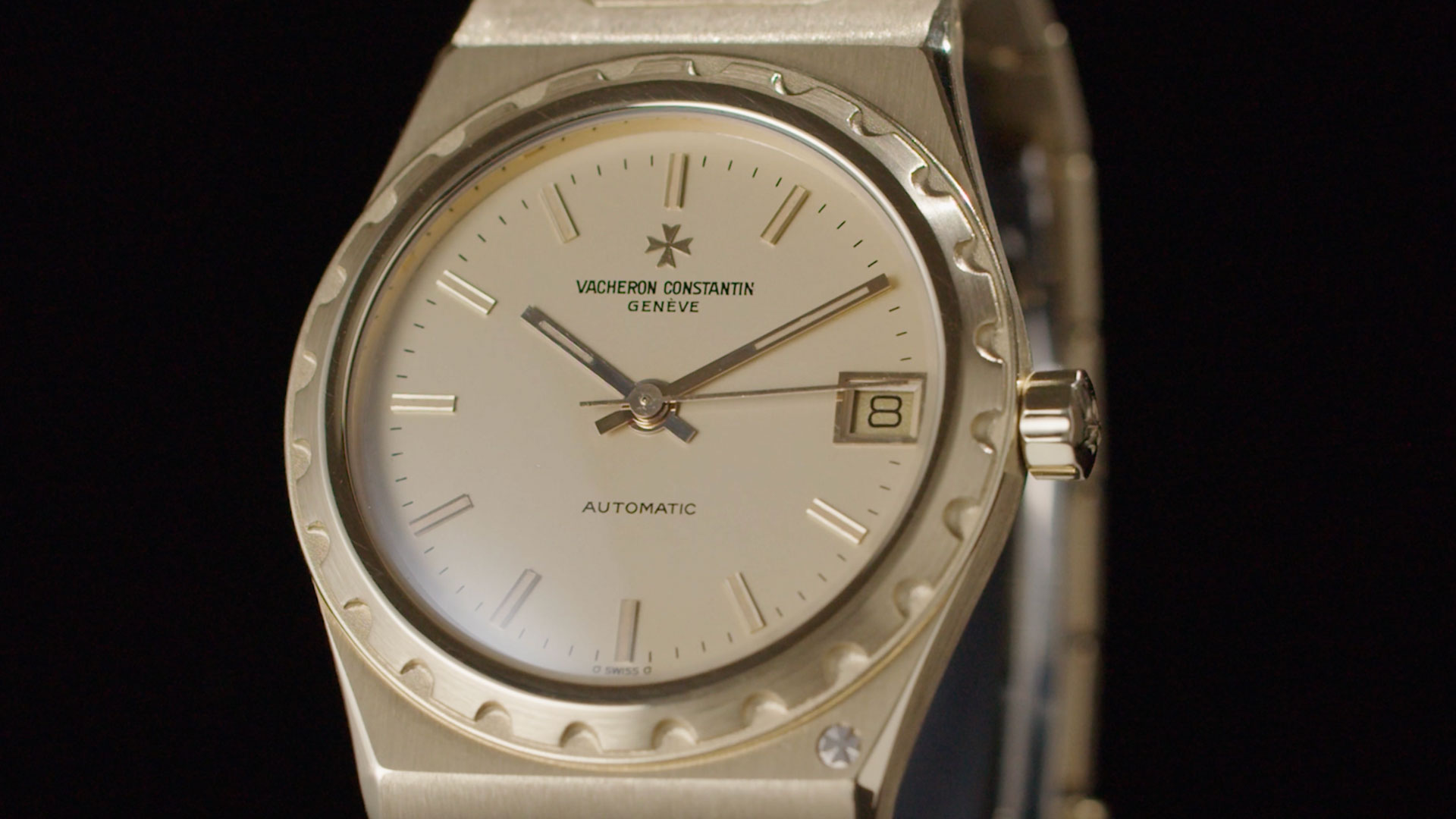
Let’s talk about what really makes watchmakers sweat: the movement. This is where Vacheron earns its crown; not by inventing wild new materials or pumping out hundreds of thousands of units, but by crafting movements that are visually, mechanically, and philosophically correct.
Look at the Geneva Seal. It’s a mark of finishing quality and watchmaking precision administered by the Canton of Geneva. Most brands that achieve it do so with one or two high-end models. Vacheron? Their production is so consistently excellent, many of their pieces carry the seal as standard.
Take the calibre 4400 in the Patrimony and Traditionnelle models. Manual wind. Long power reserve. Razor-sharp anglage, perfectly aligned côtes de Genève, and hand-polished jewel sinks. You don’t need a loupe to be impressed; but if you do use one, it just gets better.
Or the Overseas Perpetual Calendar Ultra-Thin. It’s 8.1mm thick with a full perpetual calendar inside, water resistance, anti-magnetic protection, and an open caseback showing one of the most elegant calibres on the market. It’s the kind of watch that doesn’t yell; but collectors whisper about it for years.
Then you have the Métiers d’Art collection. This is where Vacheron goes full Louvre. Dials made from enamel, engraved sapphire, cloisonné, or hand-painted gold. These aren’t mass produced. They’re made in dozens, maybe hundreds. They blur the line between watchmaking and high art.
Even the way the brand integrates complications feels effortless. Their tourbillons aren’t just functional; they’re framed like sculpture. Their minute repeaters don’t just chime; they resonate with warmth and clarity most brands only dream of.
And in a vault like Lugano Watches Dubai, when you see a Vacheron minute repeater or skeleton tourbillon next to an RM or AP, you begin to understand: this isn’t flash. This is foundation.
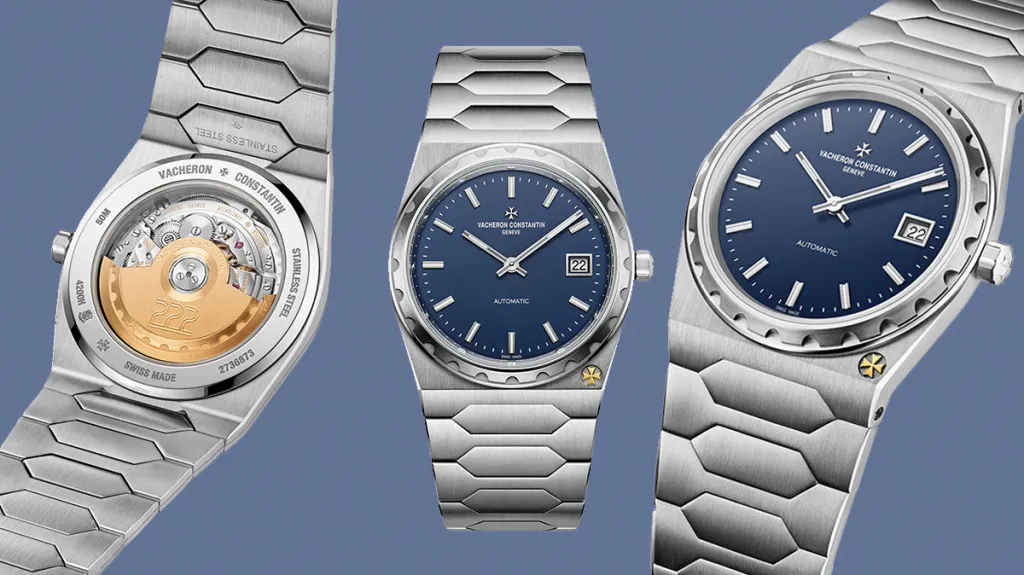
For years, Vacheron Constantin was the best-kept secret in high horology. It was respected, but often overshadowed by Patek Philippe and Audemars Piguet in public perception. That’s starting to change.
The rise of educated collectors; people who study references, compare movements, and value finishing; has brought Vacheron back to the front. The Overseas line, once seen as the quiet third to the Royal Oak and Nautilus, is now seeing real waiting lists. The Historiques models, like the Cornes de Vache chronograph, are getting auction attention. Vintage triple calendars from the mid-century are doubling in price.
And it’s not because of hype drops or celebrity endorsements. It’s because people are finally noticing how ridiculous the quality is for the money.
This is especially true in places like Dubai, where collectors aren’t just following the mainstream; they’re building vaults. At Lugano Watches Dubai, it’s common to see a collector pick up a vintage 1940s Vacheron with hand-engraved lugs and a salmon dial, and put it next to an AP QP or RM flyback chrono. And it holds its own; quietly, confidently.
Because Vacheron isn’t for people who want to be noticed. It’s for people who already know.
And that’s why the value is rising. Because collectors are realising that if you want handmade, old-school watchmaking, finished to a level that would bring tears to a movement inspector in Geneva, and you want it from a brand that’s actually been doing this longer than anyone else; you go to Vacheron.
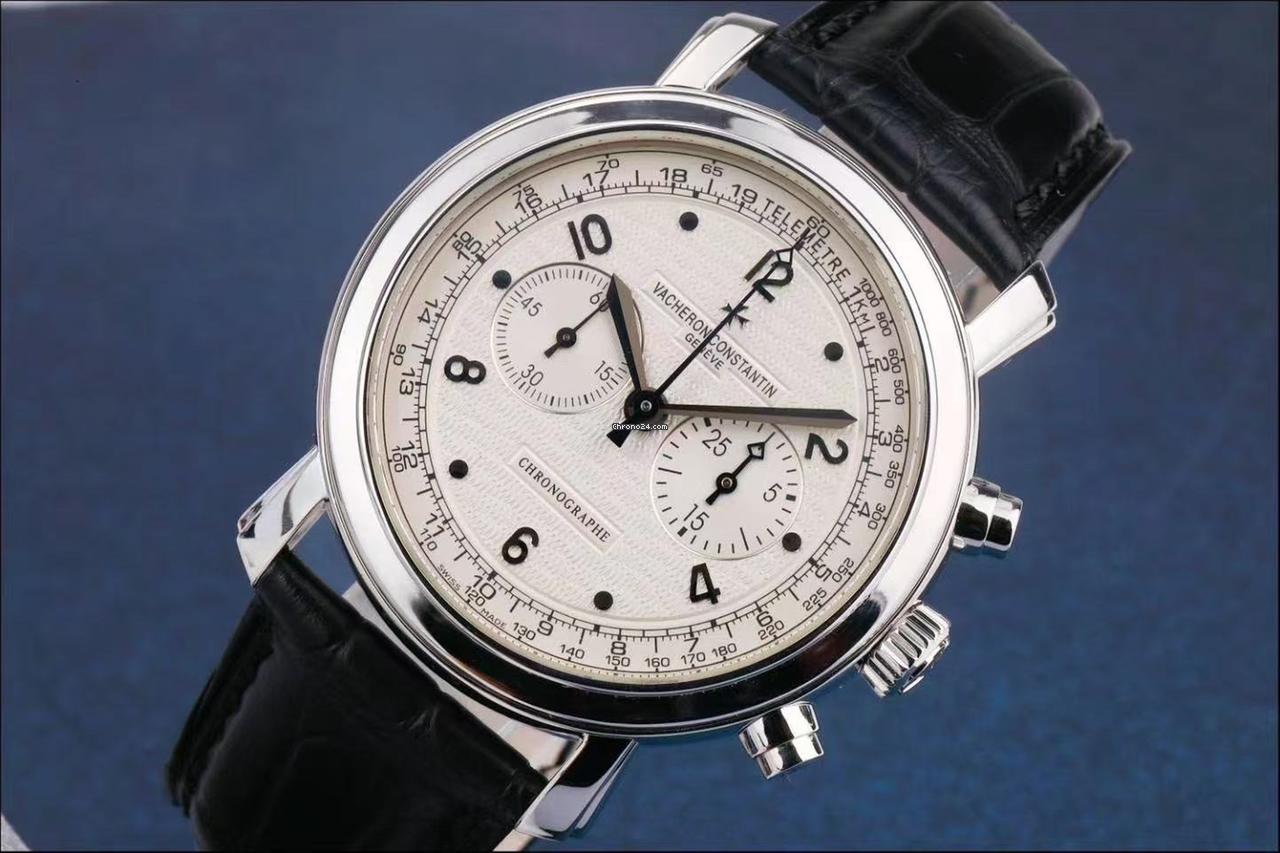
There’s heritage, and then there’s provenance through continuity. Vacheron Constantin hasn’t just survived since 1755. It’s earned its place in every era. It’s adapted, but never compromised. It’s refined, but never boring.
And more importantly; it hasn’t forgotten that real watchmaking is about what’s inside. Not just movements, but principles. The finishing. The restraint. The invisible details that most people miss but real collectors never forget.
Vacheron Constantin doesn’t chase the market. It sets its own pace. And in a world obsessed with the next hype piece, that might just be the smartest play of all.
If you ever get the chance to hold one; whether it’s a 1940s chronograph or a modern tourbillon; do it. Feel the case. Look at the dial under sunlight. Turn it over and study the architecture of the movement. Then ask yourself what really matters in a watch.
Because once you understand Vacheron, the whole collecting world starts to look different.
And you’ll never settle for surface-level again.
_______________________________________________________________________________________________________________