
From unrivaled access to the world’s rarest pieces to a culture that lives and breathes mechanical art, this is where collecting becomes a lifestyle.
Dubai didn’t just stumble into becoming one of the most important watch cities in the world. It built itself into the global epicenter for horology, brick by boutique, vault by vault, collection by collection. And now? The watch world comes here to breathe.
It’s not just the brands. Not just the collectors. Not just the infrastructure. It’s how all of those things collide; fast, loud, and unapologetically ambitious.
So if you’ve ever wondered why some of the rarest watches in the world are more likely to be found in a private Dubai vault than a Geneva safe, here’s the answer. Or rather, here are three.
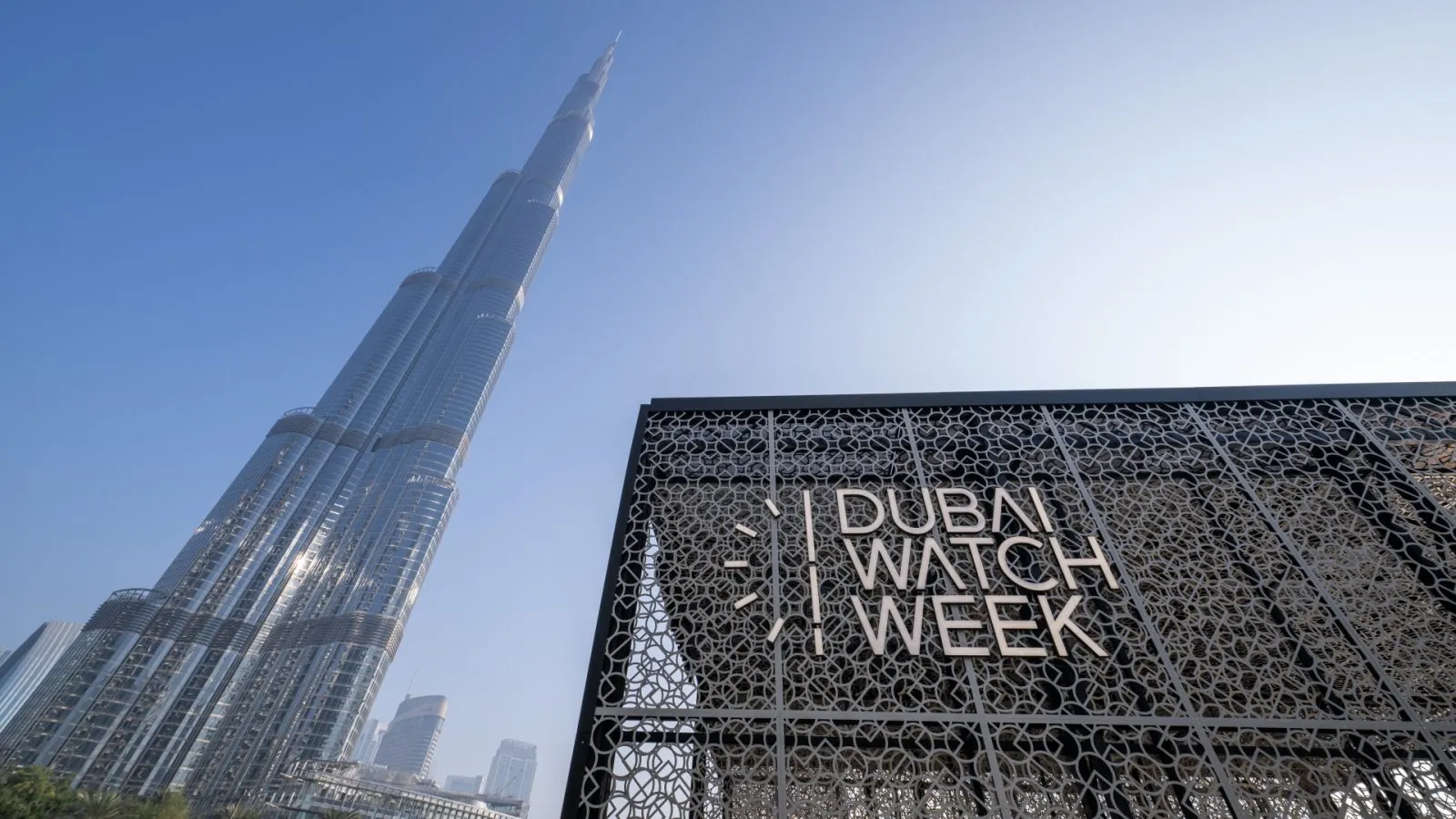
Let’s start with the one thing every collector dreams of: access. The simple ability to walk into a place and not just see photos of rare pieces, but handle them, try them on, ask questions about them, and; if the stars align; buy them.
That happens in Dubai. Every day.
Brands don’t just have boutiques here. They have flagship temples. Rolex, Audemars Piguet, Patek Philippe, Richard Mille, Vacheron Constantin, F.P. Journe; they’re all present, and they’re not phoning it in. AP has its own house. RM's boutique feels more like a design lab than a store. Even the independents are showing up strong because they know this is where serious eyes are.
But that’s just the surface. What takes Dubai to another level are the private dealers and platforms behind the scenes. Lugano Watches Dubai is a perfect example. You won’t walk into Lugano and see what you see anywhere else. You’ll see 30 Richard Milles sitting in a watch-winder vault. You’ll see prototype Pateks, discontinued Vacherons, limited Lange editions, and Cartier references collectors argue about on forums because they've never seen them in real life.
And they’re all right there. Not behind glass. Not digitally catalogued. In front of you. Rotating slowly in a vault built like Fort Knox with mood lighting and security you only notice when needed.
In most cities, seeing one of these watches means going to an auction. In Dubai, you can see a dozen on a Tuesday afternoon.
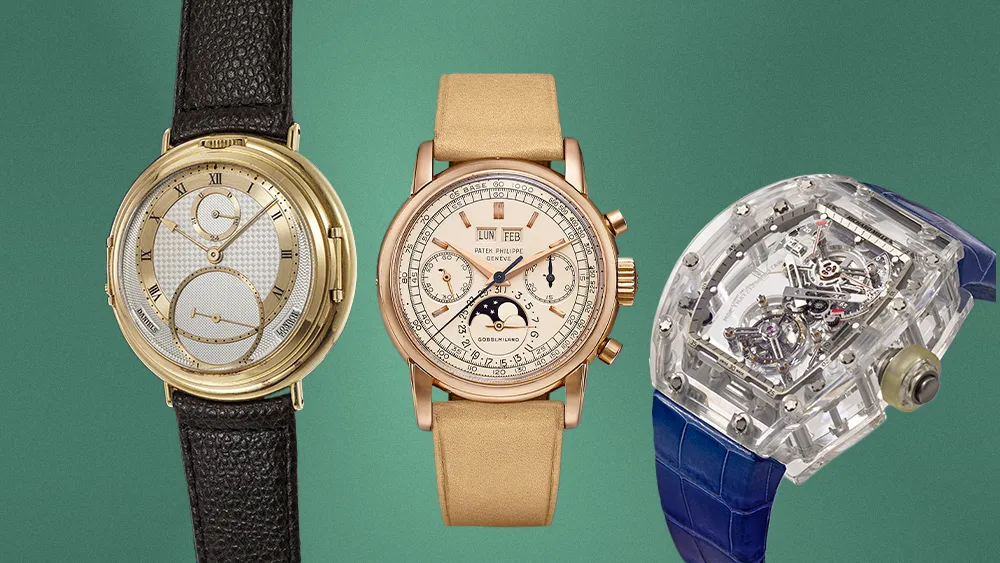
Everyone thinks Dubai watch culture is about showing off. And sure, it’s a place where a guy might daily a 5980R like it’s nothing. But here’s the real story: the collectors here aren’t just wealthy; they’re educated. And they’re shaping the market faster than anyone else.
This city is full of collectors who aren’t waiting for press releases to tell them what’s hot. They’re calling watchmakers directly. They’re placing private orders with independent brands no one has heard of yet. They’re spotting dial anomalies, bezel changes, and production quirks that move watches from mainstream to grail in one post.
And unlike older, more conservative markets, Dubai doesn’t gatekeep knowledge. The community is young, online, and generous. Want to know why the 5711 with the Tiffany dial blew up the way it did? Someone here can break down the AP allocation strategy that helped fuel the demand before the rest of the world caught on. Curious about Czapek’s production bottlenecks? There's someone here tracking them down by name and serial.
There’s also velocity. Deals move fast. Decisions are made quicker. That Daytona you just saw posted? It’s sold before the caption finished uploading. You either know, or you’re late. That kind of pace creates a different kind of energy; more vibrant, more competitive, more tuned in.
Places like Lugano Watches Dubai don’t just cater to this crowd; they help drive it. They don’t just sell watches. They provide insight, tell the backstory, and give people the confidence to learn as they collect.
It’s not just flex culture. It’s fluency culture.
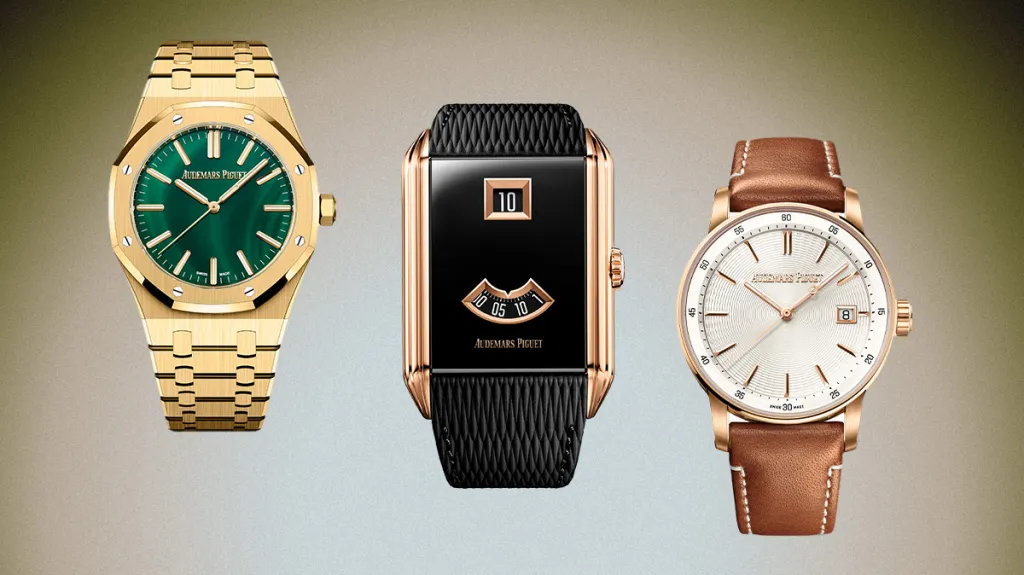
Dubai used to be a buyer’s market. Now? It’s a gravitational force. Brands need to be here, not just to sell, but to stay relevant.
That’s why you’re seeing early-release previews at boutiques in Dubai before Basel or Geneva. That’s why brands like Richard Mille are sending their global directors here to meet with clients face-to-face. And that’s why auction houses are throwing events here with grails that would usually debut in New York or Hong Kong.
Because Dubai isn’t just where the money is; it’s where the conversation is evolving.
Think about what a serious collector really wants: information, credibility, access, and momentum. Dubai delivers all four at a level that’s hard to match anywhere else. And now, it’s not just the city that’s offering it. It’s the content. It's the storytelling. It’s the way dealers and platforms here are approaching education.
Look at what Lugano is doing with their content. Explaining what actually makes a Royal Oak reference go up in value. Breaking down the reasons behind fluctuations in Daytona pricing. Pulling apart movement architecture in Richard Mille tourbillons in a way that feels like a conversation, not a lecture. That’s the future of this space. People want knowledge that doesn’t feel like a Wikipedia article or a brochure.
And Dubai delivers that because the people here are close to the source. They’re buying straight from the manufacturer. They’re getting insights no one else has access to. And they’re sharing it because the culture here rewards it.
This is how Dubai went from a luxury shopping city to a horological capital. It stopped just being a place where you buy watches. It became a place where you actually understand them.
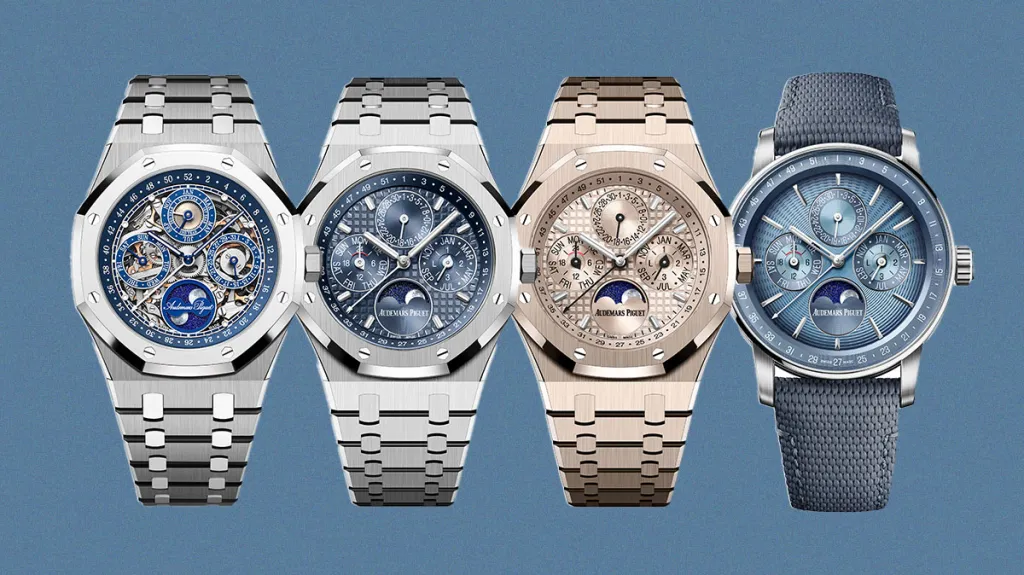
The watch market is changing fast. Value is shifting. Trends are becoming more niche. And buyers are no longer satisfied with generic luxury. They want stories. Substance. Technical achievement. Scarcity with a purpose.
Dubai is delivering all of that, and doing it with such clarity that even seasoned collectors from Europe and Asia are flying in just to see what’s moving. Not what’s trending; what’s next.
So when someone asks you where the best place in the world is to build a collection, meet real experts, get your hands on museum-level pieces, and actually learn while doing it; the answer isn’t Switzerland. It’s not even close.
The answer is Dubai.
Because this isn’t just a watch city anymore.
It’s the playground where the entire watch world comes to level up.