
Moonphase watches aren’t just pretty complications; they carry centuries of craftsmanship, poetic symbolism, and serious technical execution. Explore why they continue to hold meaning for collectors in the modern age.
There’s a strange, quiet power to a moonphase complication. In a world obsessed with function, specs, and ROI, the moonphase sits there; utterly poetic, visually soft, and technically… unnecessary. It doesn’t time your laps. It doesn’t remind you of meetings. It doesn’t save your life at sea.
But somehow, it makes a watch feel more complete. More human. More cosmic.
And that’s the magic. The moonphase isn’t just a piece of astronomical data on your wrist. It’s a reminder of how long we’ve been staring upward. Before time was mechanical, before calendars existed, we had the moon. It was how we measured months, predicted tides, told stories, and scheduled harvests.
So when a collector chooses a moonphase, they’re not just opting for a complication. They’re inviting centuries of mythology, art, and micro-mechanical genius into a space no larger than a coin.
Let’s break down what that really means.
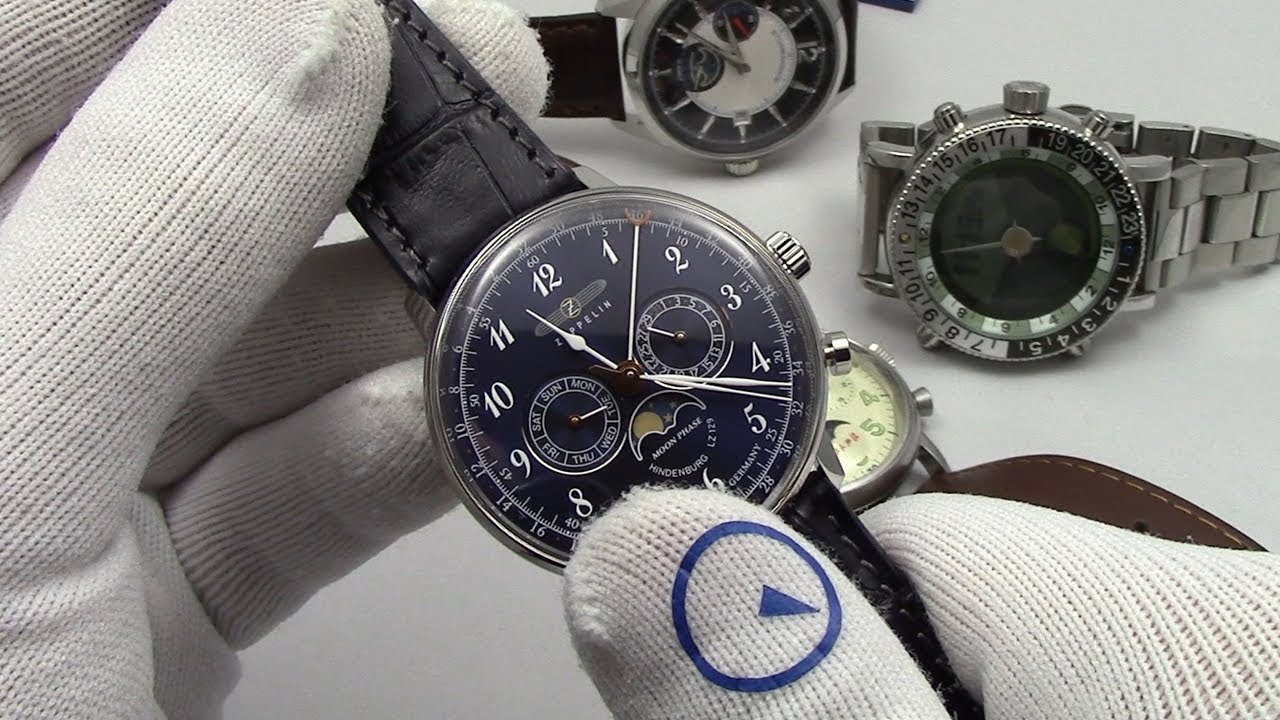
The moonphase is one of the oldest complications in horology. Not in the sense of “we needed it to survive,” but in the sense of “we couldn’t stop ourselves from building it.”
You’ll find them in 18th-century pocket watches and in astronomical clocks built for kings. Long before wristwatches existed, watchmakers were carving rotating celestial bodies into dials the size of apples; just because they could. It was never about utility. It was always about wonder.
Even today, moonphases in modern high-end watches (like those at Lugano Watches Dubai) aren’t necessary. But they’re meaningful. They connect the cold logic of gears and springs with something inherently romantic. You look down at your wrist, and instead of just numbers, you see a little crescent floating in an enamel sky. That’s not a readout. That’s a story.
And it’s always personal. Unlike a GMT or a chronograph, a moonphase doesn’t point to urgency. It invites you to pause. To think about time in longer arcs. About months, seasons, cycles; about what came before you and what will come after.
Take a Patek Philippe 3940. A perpetual calendar with a small moon tucked into its dial like a secret. The function? You could track it with an app. But the execution; the gold disc, the hand-painted stars, the 122-year accuracy before it needs correcting; that’s watchmaking speaking in poetry.
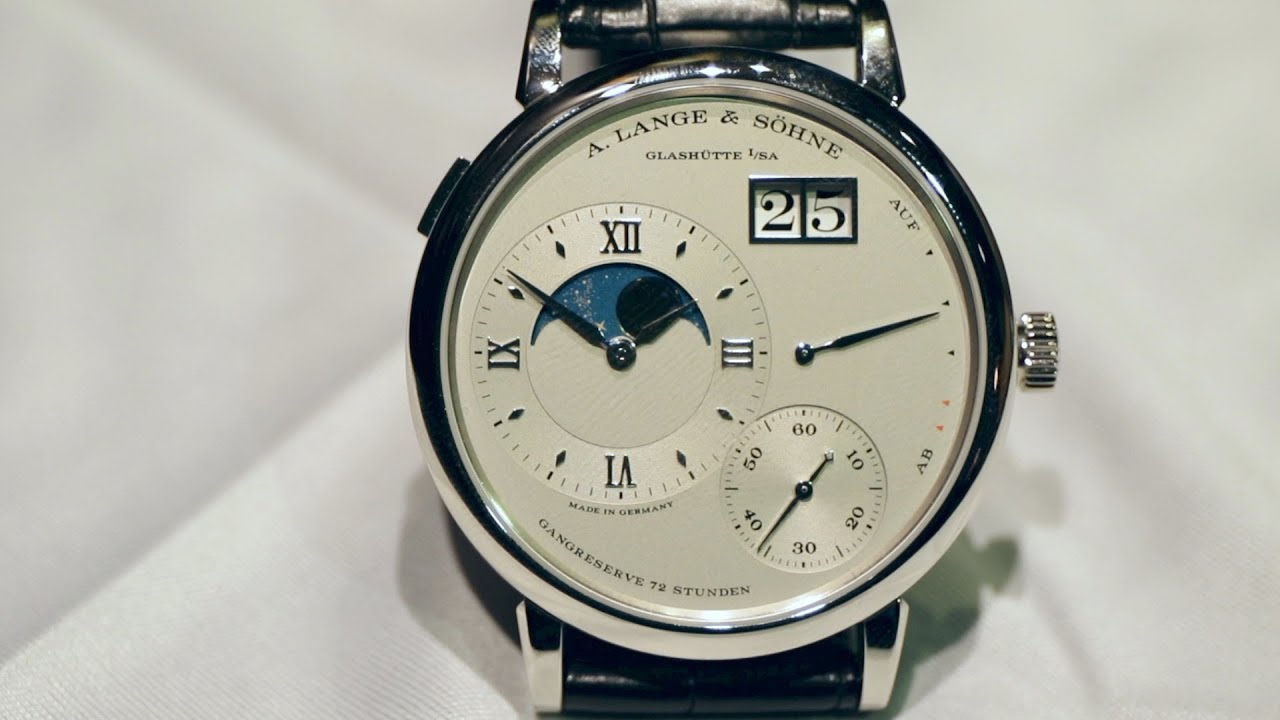
Or the Lange 1 Moonphase. A display so elegantly integrated, it doesn’t even look like a complication. It looks like the moon belongs there. And in a way, it does. Because Lange didn’t just copy an old design; they reimagined how the moon moves relative to the day/night cycle. That’s not just pretty. That’s serious horology disguised as art.
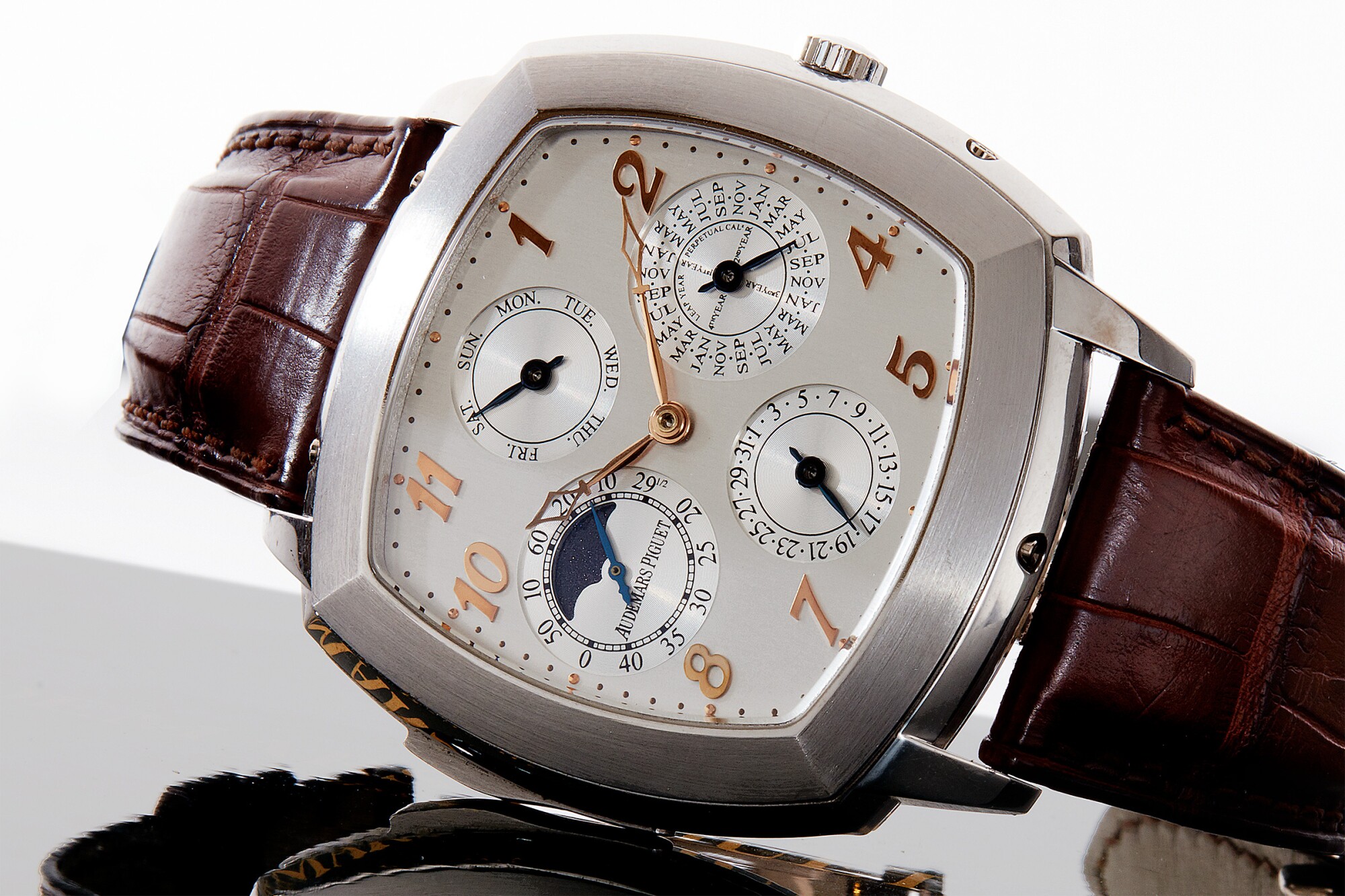
Here’s where people get it wrong. A moonphase isn’t just a spinning disc. Well, not a good one, anyway.
The standard moonphase complication uses a 59-tooth gear. That’s two lunar cycles of roughly 29.5 days each. It’s simple. It works. But it’s not precise. The actual lunar cycle is about 29.53059 days. That tiny fraction, over time, adds up. On a basic 59-tooth model, you’ll be off by a full day every couple of years.
Some brands are fine with that. It’s decorative, after all. But others; the real ones; obsess over the numbers. They build 135-tooth, 295-tooth, even 377-tooth gears to track the moon so precisely that it won’t need adjusting for hundreds of years. Some of the best? Off by one day every 122 years.
And it doesn’t stop there. High-end pieces integrate hand-painted moons. Gold leaf stars. Aventurine glass skies that shimmer like galaxies under the light. Some, like the De Bethune DB25, turn the moon itself into a 3D sphere of palladium and flame-blued steel. It's not a display anymore. It's sculpture.
What does that mean for collectors?
It means this isn’t a gimmick. This is one of the most difficult complications to do well. Not just mechanically, but artistically. Every moonphase that makes it into a serious collection; like what you'd see at Lugano Watches Dubai; has passed multiple tests. Technical execution. Aesthetic coherence. Emotional impact.
Because when you get it right, the moonphase doesn’t just add value; it adds depth. The kind that collectors don’t just see, but feel.
Now let’s talk about the other side; the emotional side. Because that’s where moonphases live.
In an age where people want titanium this, ceramic that, and “what’s the power reserve?” thrown around like a security blanket, the moonphase stands out because it isn’t trying to justify itself with specs. It’s not about functionality. It’s about feeling something when you look at your watch.
And more often than not, moonphases end up being the pieces people never sell.
Ask a collector which watches they’ve flipped, and which ones they’ll pass down; and you’ll hear moonphases again and again. Because while the Submariner and the Speedmaster are tools, the moonphase is something closer to a keepsake.
It reminds people of moments. The watch worn at a wedding. The piece bought after a birth. The first time someone noticed the stars weren’t printed; they were hand-painted. These are the details that don't show up on spec sheets but live in memory forever.
And in a place like Dubai, where collecting isn’t just about owning but understanding, that distinction matters. Lugano Watches Dubai doesn’t stock moonphases because they’re trendy. They stock them because they know the people who buy them get it. These aren't watches for the crowd. They’re for the few who notice the way light bends on a domed disc, the way tradition and technology can quietly share a dial.
Even the brands know this. That’s why you see moonphases in grand complications and minute repeaters. Not because they need the function. But because the moon has always meant something more.
And as watchmaking evolves; becoming more modular, more digital, more speculative; the moonphase remains stubbornly analog. Stubbornly poetic. Stubbornly human.
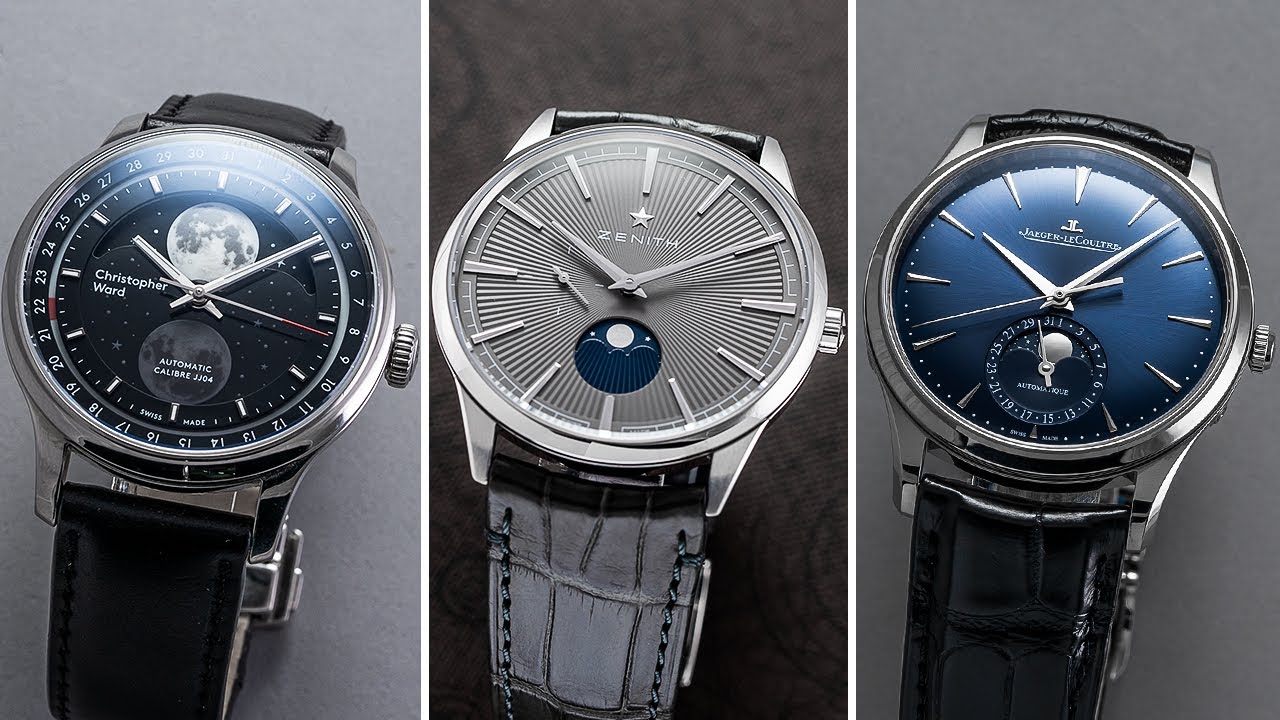
There’s a reason the moonphase survived. Not because it was essential; but because it reminded us that watches aren’t just about time. They’re about meaning.
And if you’ve ever looked at one; really looked; you’ll understand. It’s not a disc. It’s a mirror. It reflects everything we love about watchmaking: history, beauty, obsession, and the simple need to make something that matters, even when no one’s asking for it.
That’s why moonphases keep showing up in the best collections. That’s why they’ll never go out of style. And that’s why, if you ever find one that makes you feel something; hold onto it.
Because in a world running faster than ever, a little complication that tracks the moon reminds you there’s still magic in watching things move slowly, predictably, and beautifully.
_______________________________________________________________________________________________________________
Buy MoonPhase watches in Dubai, Audemars Piguet Moonphase watch for sale in Dubai, AP moonphase for sale Dubai, Buy luxury watches in Dubai, Buy AP Dubai, Buy Patek Dubai, Buy Vacheron Dubai, Watch for sale in Dubai, UAE Audemars sale, UAE AP Sale, UAE Patek Sale, Royal Oak sale Dubai, Patek Nautilus sale Dubai UAE.