
The tourbillon isn’t just visual theater; it’s mechanical poetry. Discover why this spinning cage still defines watchmaking genius, even in the age of atomic time.
You don’t forget your first time seeing one. The cage spins. Suspended. Isolated. Like a satellite doing laps in a pocket universe. At first, you don’t even realize what you’re looking at. You think it’s a balance wheel. Then it rotates. Then it keeps rotating. Then it keeps perfectly ticking. And you stare.
You stare because it feels like you’ve just seen a watch come alive.
A tourbillon doesn’t ask for your attention. It takes it. It’s movement within movement. Mechanical layers woven into visible rhythm. It doesn’t make the watch more useful. But it makes it matter.
And that’s the magic. Tourbillons don’t exist to tell time better. They exist to remind you why we tell time at all.
Let’s get under the cage.
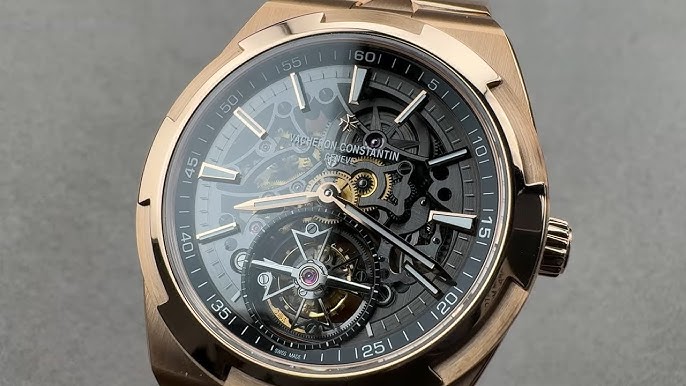
Breguet gets the credit. And rightly so. In 1801, he patented the tourbillon (French for “whirlwind”) as a mechanical correction device. Pocket watches, kept vertical in waistcoats, had a problem: gravity. The balance spring and escapement would behave differently depending on orientation. Over time, this introduced tiny deviations. So Breguet came up with a plan; put the entire regulating organ in a cage, and rotate it.
That way, gravity’s effect would average out. A full rotation every 60 seconds. Mechanical equilibrium via motion. That was the original idea.
And it worked. Marginally. But the real victory wasn’t the improved timekeeping. It was the audacity. The showmanship. The idea that you could beat nature; gravity itself; with gears and pivots and oil.
Fast-forward two centuries, and we’re still obsessed with the tourbillon. Even though modern wristwatches don’t need them. Gravity’s impact is minimal when the watch is constantly moving with your wrist.
But still... there’s nothing else in horology quite like it. It’s hypnotic. It’s delicate. And when done right, it’s pure engineering bravado.
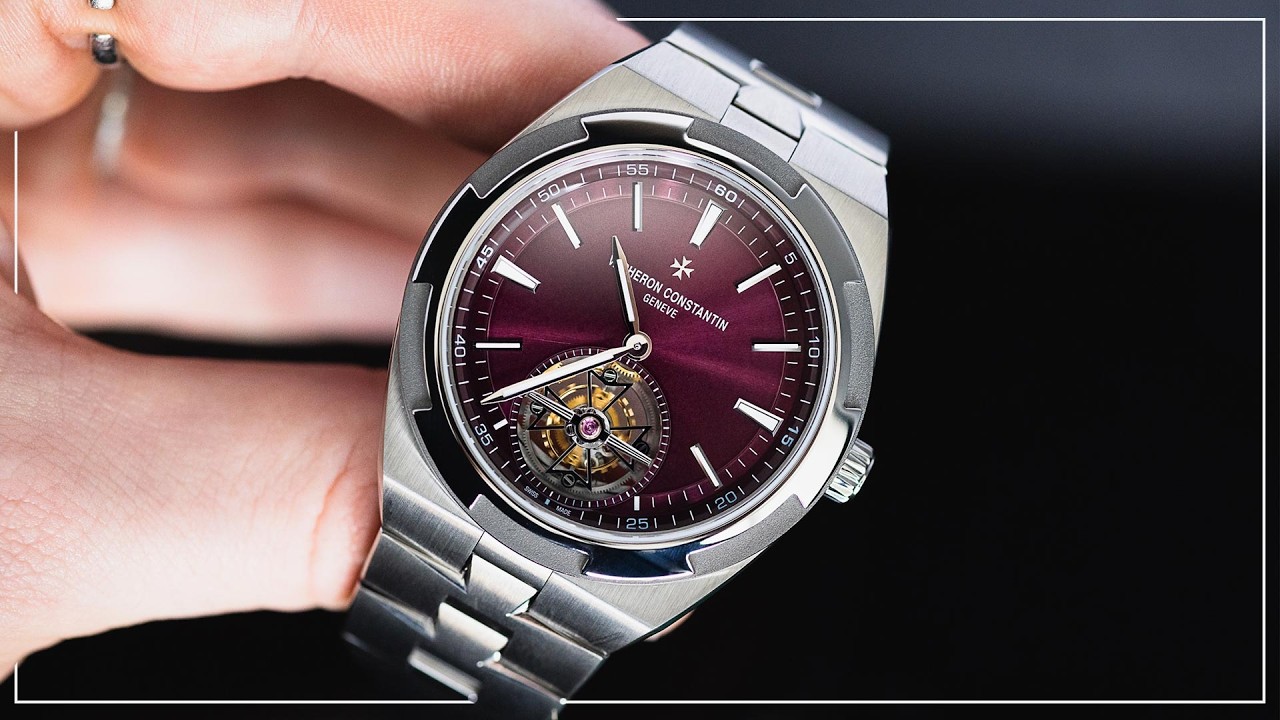
Here’s where things separate. Not all tourbillons are created equal. And the ones that matter? They’re not just spinning decorations. They’re statements.
Look at a Greubel Forsey. Their cages are architectural, multi-layered, finished to insanity. Black polished, mirror beveled, frosted, grained; all of it in microscopic balance. Every tourbillon they build tells you one thing: “We’re not playing.”
Then there’s the likes of Richard Mille. A totally different attitude, same mechanical gospel. Their tourbillons aren’t classical. They’re kinetic sculptures in ultra-modern materials. Carbon TPT. Skeletonized bridges. Shock resistance that lets you actually wear them while playing tennis or swinging a golf club. It’s obscene and brilliant.
Even the old masters get in on it. Patek Philippe’s tourbillons are tucked away, hidden behind solid casebacks with small inspection windows; because for them, it’s not about flex. It’s about tradition. Finishing. Restraint. A secret between you and the watchmaker.
And that’s what makes a real tourbillon matter. You can’t rush them. You can’t mass-produce them. It takes time. Skill. Philosophy. You either understand that... or you don’t.
At Lugano Watches Dubai, we’ve seen clients fly in just to try on a particular tourbillon model in person; because they had to see the cage spin with their own eyes. No picture ever captures it. No video ever does it justice. It’s mechanical presence. In real time.
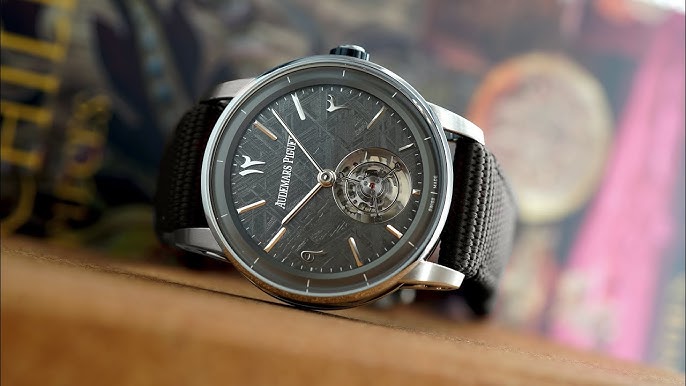
You want to know the truth? A smartwatch is more accurate than any tourbillon. It syncs with satellites. It adjusts to atomic clocks. It doesn’t need winding. Doesn’t care about gravity. Doesn’t cost five figures; or six; or seven.
But here’s the thing: no one falls in love with a smartwatch. No one remembers the first time they saw a quartz regulator click into place.
Tourbillons don’t exist because we need them. They exist because we can’t stop building them.
It’s the same reason we paint when we could print. Or compose symphonies when loops would do. It’s because there are things that matter beyond utility. Beyond precision. Things like soul.
Every true collector knows: the tourbillon isn’t the end goal. It’s the transition point. The moment when you stop thinking about what a watch can do, and start thinking about what a watch means.
And the longer you look at one; at that slow, deliberate, impossible spin; the more you realize that you’re not watching the cage at all.
You’re watching the mind of the person who made it.
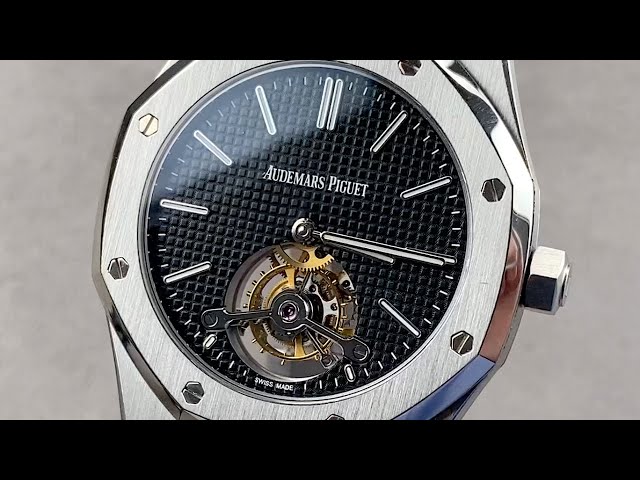
Tourbillons are useless in the most perfect way. They don’t improve your life. They don’t make you more productive. They don’t buzz, ping, or light up. They just move. Slowly. Gracefully. On time. Out of time.
You could spend your whole life collecting without one and still be fulfilled.
But once you do own one? Once you wind it, once you see that cage start to turn; you get it.
Not intellectually. Viscerally.
That’s what sets a real watch apart. That feeling. That spark. That quiet awe.
That’s why tourbillons still matter.
Because they remind us that even in an age of instant everything, some things are still worth building by hand.
Some things are still worth watching. Over and over. Forever. If you'd like to buy Audemars Piguet Luxury Watches in Dubai, visit our website, Luganowatches.com.
_______________________________________________________________________________________________________________